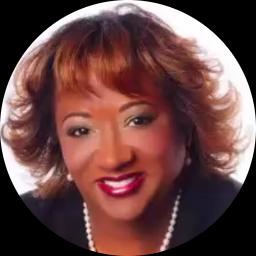
About Tracey
Dr. Tracey Williams is a licensed clinician who helps people facing anxiety, stress, depression, low self-esteem, and relationship concerns. She brings 18 years of experience to sessions and focuses on practical steps that fit each person's life.
Her approach is collaborative and goal-oriented, with attention to strengths and real-world skills. She works with people coping with trauma, body image worries, caregiver strain, chronic illness and pain, and the stresses that come with divorce or blended families.
Background and approach
She also supports those navigating complex concerns such as abandonment, codependency, and issues tied to alternative sex culture. Conversations are grounded in everyday language and aimed at clear, usable change. In sessions Dr.
Williams and the client set short-term, achievable goals. She uses evidence-based therapeutic techniques and offers tools people can practice between meetings. The focus is on building confidence, improving communication, and reducing anxiety symptoms through manageable steps.
Her background includes clinical social work credentials: Licensed Clinical Social Worker, and LCSW-C in Maryland. She emphasizes a strength-based style that encourages accountability and steady progress. People who prefer a practical, supportive approach often find this style helpful.
Dr. Williams offers therapy in English from Maryland. Sessions are available by video calls, phone, live chat, or text-based messaging.
Getting started involves a short matching questionnaire and scheduling based on therapist availability.
Approaches that guide online care
Dr. Williams uses evidence-based therapeutic techniques focused on clear goals and practical skills. One common approach she emphasizes centers on setting small, achievable goals and building skills step by step to reduce anxiety and stress. This helps people manage symptoms and practice new behaviors between sessions. Another core element is a strengths-based approach that identifies what already works for a person and expands those skills to improve confidence, communication, and coping with life changes.Finding the right approach is a collaborative process. The therapist will work with each person to choose which techniques fit their needs, goals, and preferences. Over a few sessions they will tailor strategies and adjust the plan so it matches what the client wants to accomplish and how they prefer to work.
Online therapy offers flexible ways to connect. Video calls allow face-to-face conversation when visual cues are helpful. Phone sessions require less bandwidth and can be easier to fit into a work break. Live chat or text-based messaging lets people check in quickly, write through thoughts, and use shorter touchpoints between longer sessions. These options make it easier to maintain consistent care while fitting therapy into a busy life.
Questions people ask
What kinds of concerns does this therapist address?
How would you describe her therapy style?
What is her professional background?
What credentials and location are listed?
In which languages are sessions offered?
Which session formats are available?
How are costs handled?
How do I begin working with this therapist?
What this therapist works with
Most often
- Stress, Anxiety
- Relationship issues
- Trauma and abuse
Also listed
- Abandonment
- BDSM, kink, and alternative sex culture
- Blended family issues
- Body image
- Cancer
- Caregiver issues and stress
- Chronic pain, illness, and disability
- Co-morbidity
- Codependency
- Communication problems
- Coping with natural or human-caused disaster
- Dependent personality
- Depression
- Divorce and separation
- Domestic violence
- Forgiveness
- Guilt and shame
- Isolation / loneliness
- Life purpose
- Men's issues
- Midlife crisis
- Money and financial issues
- Multicultural concerns
- Obsessions, compulsions, and OCD
- Panic disorder and panic attacks
- Paranoia
- Phobias
- Polyamory / non-monogamous relationships
- Post-traumatic stress
- Postpartum depression
- Pregnancy and childbirth
- Prejudice and discrimination
- Process addiction (porn, exercise, gambling)
- Seasonal Affective Disorder (SAD)
- Self esteem
- Self-harm
- Self-love
- Sex addiction
- Sexual assault and abuse
- Sexual dysfunction
- Sexuality
- Social anxiety and phobia
- Somatization
- Trichotillomania
- Veteran and Armed Forces Issues
- Visually impaired
- Women's issues
- Workplace issues
- Young adult issues
- Experience
- 18 years
- Licensed
- Maryland, Virginia
- Languages
- English
We will earn a commission if you sign up through our link, at no cost to you.