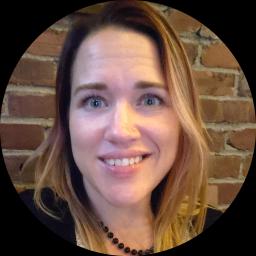
About Tosha
Tosha Honey is a licensed professional counselor who helps people manage anxiety, stress, relationship strain, and the effects of trauma. She brings nine years of clinical experience and a calm, respectful presence to sessions. Her style is straightforward and focused on practical steps that people can use right away.
She uses a person-centered approach, which means conversations start with the client's goals and concerns. From there she adds tools from cognitive behavioral and mindfulness approaches.
Background and approach
That combination is often used to reduce anxious thought patterns, improve day-to-day coping, and build clearer communication skills. Her background includes work in agency settings, school-based programs, and an intensive day treatment program. Those roles exposed her to a wide range of issues such as depression, family conflict, domestic violence, and adjustment after difficult events.
She also has experience addressing attachment concerns, blended family dynamics, body image, codependency, and feelings of isolation. Tosha adapts her methods to the person in front of her rather than applying a single formula. Sessions focus on practical strategies, problem solving, and pacing that fits each person's needs.
She emphasizes respect, sensitivity, and collaboration while helping people make steady changes. People who choose her often want clear, usable tools and support while they work through stress, trauma, or relationship challenges. She aims to empower clients and help them move toward greater stability and wellbeing.
Therapeutic approaches and what online sessions look like
Client-centered therapy focuses on building a trusting relationship and centering conversations around each person's goals and values. It helps when someone needs a supportive space to talk and to feel understood before trying new skills.Cognitive behavioral therapy, or CBT, emphasizes noticing unhelpful thought patterns and testing new behaviors. It is commonly used for anxiety and stress and provides concrete tools people can practice between sessions.
Finding the right approach is a shared process. The therapist will listen to your concerns, discuss options, and try methods that fit your goals and preferences. If something isn’t working, the plan can be adjusted together so progress matches what matters to you.
Online therapy offers several practical advantages. Video calls allow face-to-face conversation when visual cues help the work. Phone sessions can be a good fit when bandwidth or camera use is an issue. Live chat and text-based messaging make it easier to check in between sessions or fit brief updates into busy days. These options make it simpler to access consistent support and to use therapy tools in everyday life.
Questions people ask
What kinds of concerns does she address?
What is her therapeutic style like?
How much clinical experience does she have?
What credential does she hold and where is she based?
Can sessions be conducted in other languages or internationally?
What session formats are available?
How does payment and cost work?
How do I begin working with her?
What this therapist works with
Most often
- Stress, Anxiety
- Relationship issues
- Family conflicts
Also listed
- Attachment issues
- Blended family issues
- Body image
- Codependency
- Commitment issues
- Communication problems
- Coping with natural or human-caused disaster
- Disruptive Mood Dysregulation Disorder (DMDD)
- Divorce and separation
- Domestic violence
- Emptiness
- Family of origin issues
- Family problems
- Impulsivity
- Isolation / loneliness
- Life purpose
- Mood disorders
- Panic disorder and panic attacks
- Polyamory / non-monogamous relationships
- Post-traumatic stress
- Postpartum depression
- Self esteem
- Self-harm
- Self-love
- Sexuality
- Social anxiety and phobia
- Trauma and abuse
- Women's issues
- Workplace issues
- Young adult issues
Therapeutic approaches
- Experience
- 9 years
- Licensed
- Arkansas
- Languages
- English
We will earn a commission if you sign up through our link, at no cost to you.