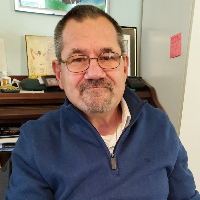
About Steven
Steven Paro, LCSW, helps people facing stress, anxiety, depression, and addiction. He brings decades of experience to sessions and focuses on practical steps clients can use right away. His style aims to help people notice strengths and build toward specific goals.
He uses clear, straightforward conversation to understand what is most pressing. Sessions emphasize small, doable changes rather than long abstract discussions. He also supports people coping with grief, trauma, loss of spiritual direction, and struggles around identity and relationships.
Background and approach
With 46 years of practice, he has worked with many forms of trauma and with people at different life stages. He has recent experience helping people on the autism spectrum and those with intellectual disabilities. That work informs his pace and the way he explains strategies in simple steps.
Therapeutic approaches include acceptance and commitment work, client-centered methods, cognitive behavioral strategies, dialectical behavior techniques, and EMDR. Those tools are used to address problems like panic, persistent worry, addictive behaviors, and difficulties managing strong emotions. Steven aims to create a collaborative atmosphere where people choose goals and test what helps.
He values strengths, practical problem solving, and steady progress. People who want direct, experience-based support may find his approach fits their needs.
How his approaches fit into online therapy
Acceptance and Commitment Therapy helps people notice painful thoughts and feelings without getting stuck in them, then act toward what matters. It can be useful for anxiety, stress, and life changes. Cognitive Behavioral Therapy focuses on how thoughts, behaviors, and feelings link together and teaches practical skills to change unhelpful patterns. It is commonly used for anxiety, depression, and coping with difficult situations. Eye Movement Desensitization and Reprocessing is a trauma-focused approach that helps reduce the intensity of traumatic memories and related symptoms.Choosing the right approach is a collaborative process. The therapist works with each person to identify goals, try different techniques, and adjust the plan based on what helps. That means sessions can blend acceptance work, cognitive strategies, or trauma processing as needed.
Online formats include video calls, phone sessions, live chat, and text-based messaging. Video sessions let people use visual cues and longer dialogue, phone calls are useful when bandwidth is limited, live chat can be a quicker check-in, and text messaging supports ongoing brief contact and reflection. These options make it easier to fit therapy into work, caregiving, or busy schedules while maintaining continuity of care.
Questions people ask
What concerns does he commonly address?
What is his general approach in sessions?
How long has he been practicing?
What credentials and location are listed for this therapist?
Which languages are supported for sessions?
What session formats are available online?
How are fees and payments handled?
How do I begin working with him?
What this therapist works with
Also listed
- Abandonment
- ADHD
- Anger management
- Autism and Asperger Syndrome
- Bipolar disorder
- Career difficulties
- Caregiver issues and stress
- Co-morbidity
- Codependency
- Communication problems
- Coping with life changes
- Coping with natural or human-caused disaster
- Dependent personality
- Depression
- Disruptive Mood Dysregulation Disorder (DMDD)
- Dissociation
- Drug and alcohol addiction
- Eating and food-related issues
- Eating disorders
- Family conflicts
- Family of origin issues
- Forgiveness
- Grief
- Guilt and shame
- Impulsivity
- Intellectual disability
- Intimacy-related issues
- LGBT
- Life purpose
- Midlife crisis
- Mood disorders
- Obsessions, compulsions, and OCD
- Panic disorder and panic attacks
- Parenting issues
- Post-traumatic stress
- Process addiction (porn, exercise, gambling)
- Relationship issues
- Self esteem
- Self-harm
- Sex addiction
- Smoking / vaping cessation
- Social anxiety and phobia
Therapeutic approaches
- Experience
- 46 years
- Licensed
- New York
- Languages
- English
We will earn a commission if you sign up through our link, at no cost to you.