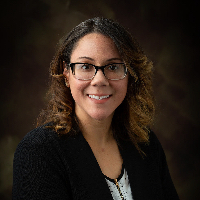
About Sharrisse
Sharrisse El Amrani, LPC, helps people who are feeling overwhelmed by anxiety, stress, life changes, or relationship strain. She offers a calm, steady presence and practical ways to manage strong emotions. Sessions focus on what matters to each person and on small, doable steps forward.
Sharrisse draws from client-centered and cognitive approaches to meet people where they are. She listens for patterns that keep problems repeating and helps people try new ways of coping.
Background and approach
Work often includes building skills for managing anxiety, repairing communication, and addressing grief or trauma responses. With eight years of counseling experience, she brings steady clinical experience from work in Georgia. Her background includes supporting people facing mood concerns, addictions, parenting stress, attachment and family-of-origin issues, and challenges like ADHD, bipolar mood shifts, and compassion fatigue.
She uses straightforward language and practical strategies in sessions. Therapy often moves between short-term skills building and deeper exploration of personal history. Sharrisse uses Acceptance and Commitment Therapy ideas to clarify values and set goals, and Attachment-Based Therapy to look at patterns in relationships.
Cognitive Behavioral Therapy tools are used to reframe unhelpful thoughts and develop healthier habits. People who prefer a collaborative, respectful counselor tend to connect with her style. She works in English and sees people in Georgia.
Sessions are offered through video calls, phone, live chat, and text messaging to fit different schedules and needs.
Therapeutic approaches for online care
Sharrisse uses Acceptance and Commitment Therapy to help people clarify personal values and commit to small, meaningful actions even when anxiety or fear is present. ACT is useful for people who want to reduce avoidance and live closer to what matters to them.She also draws on Attachment-Based Therapy to understand recurring relationship patterns and how early connections affect current trust and communication. This approach helps people change how they relate and feel safer in close relationships.
Finding the right approach is part of the work. Sharrisse collaborates with each person to choose techniques that match their goals and preferences. She checks in regularly and adjusts approaches based on what helps most.
Online formats include video calls, phone sessions, live chat, and text-based messaging to fit different needs. Video sessions allow face-to-face conversation and visual cues. Phone sessions can be a simpler option when bandwidth is limited. Live chat or text messaging work well for shorter check-ins, ongoing support between sessions, and people who prefer typing to speaking. These options make it easier to fit therapy into busy schedules and different life situations.
Questions people ask
What concerns does Sharrisse commonly address?
What is her general approach to therapy?
How much clinical experience does she have?
Where is she licensed and based?
Which languages are used in sessions?
What session formats are available?
How does payment and cost work?
What are the first steps to begin therapy?
What this therapist works with
Most often
- Stress, Anxiety
- Relationship issues
- Family conflicts
Also listed
- Abandonment
- Addictions
- ADHD
- Adoption and foster care
- Anger management
- Attachment issues
- Bipolar disorder
- Blended family issues
- Body image
- Career difficulties
- Caregiver issues and stress
- Codependency
- Commitment issues
- Communication problems
- Compassion fatigue
- Control issues
- Coping with life changes
- Depression
- Emptiness
- Family of origin issues
- Family problems
- Fatherhood issues
- Forgiveness
- Grief
- Guilt and shame
- Immigration issues
- Impulsivity
- Infidelity
- Intimacy-related issues
- Isolation / loneliness
- Jealousy
- LGBT
- Life purpose
- Midlife crisis
- Mood disorders
- Multicultural concerns
- Parenting issues
- Post-traumatic stress
- Postpartum depression
- Pregnancy and childbirth
- Prejudice and discrimination
- Seasonal Affective Disorder (SAD)
- Self esteem
- Self-harm
- Self-love
- Sexual assault and abuse
- Social anxiety and phobia
- Trauma and abuse
- Women's issues
- Workplace issues
Therapeutic approaches
- Experience
- 8 years
- Licensed
- Georgia
- Languages
- English
We will earn a commission if you sign up through our link, at no cost to you.