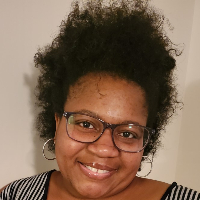
About Shalika
Shalika Eaddy-Henderson is a Licensed Clinical Social Worker who helps people manage stress, anxiety, and life transitions. She draws on a decade of experience to offer practical, straightforward support. She writes plainly and starts sessions by checking in on how a person’s day or week has been.
That first check-in guides the rest of the session and respects each person's needs and pace. She brings a background outside traditional social work into clinical practice.
Background and approach
Before social work she earned a Master of Public Administration and worked in banking. That experience shaped her understanding of financial stress, workplace pressure, and the ripple effects these issues can have on mood and behavior. In sessions she uses familiar, evidence-informed methods.
She leans on client-centered approaches to follow what matters most to the person in front of her. She also uses cognitive behavioral ideas to help people notice and shift unhelpful thinking patterns. Shalika has worked in settings that included homelessness services and substance use treatment, which added to her range of real-world experience.
Over ten years she has supported people facing trauma, addiction, depression, panic, relationship strain, and questions about self-esteem and body image. She practices in North Carolina and holds the LCSW credential, which stands for Licensed Clinical Social Worker. Sessions are offered in English and are structured around each person's goals.
If someone prefers to begin a session with a short check-in, that option is welcomed and honored.
How therapy approaches translate to online sessions
Client-Centered Therapy focuses on listening and responding to what matters most to the person. The therapist follows the person's lead, checks in about recent experiences, and adapts sessions to current concerns. This approach helps when someone needs empathy, validation, and a respectful space to talk.Cognitive Behavioral Therapy, or CBT, looks at how thoughts, feelings, and behaviors connect. It teaches simple tools to notice unhelpful thinking and try different actions. CBT can be useful for anxiety, panic attacks, mood changes, and coping with life transitions.
Finding the right approach is part of the work. The therapist will collaborate with the person to decide which methods fit their goals, needs, and preferences. Sessions can blend styles so the plan evolves as progress is made.
Online formats make it easier to fit therapy into a busy life. Video calls allow face-to-face conversation when visual cues matter. Phone sessions work well when bandwidth is limited or a shorter check-in is needed. Live chat and text messaging let people share thoughts between sessions or check in when a quick message will help. These options increase flexibility and make it simpler to continue care across changing schedules.
Questions people ask
What concerns does she commonly address?
What is her therapy style like?
How much clinical experience does she have?
What credentials and region are listed?
Which languages are supported for sessions?
What session formats are available?
How is cost handled for sessions?
How do I begin the process?
What this therapist works with
Also listed
- Addictions
- ADHD
- Anger management
- Body image
- Communication problems
- Control issues
- Coping with life changes
- Depression
- Divorce and separation
- Domestic violence
- Family conflicts
- Family problems
- Fertility issues
- Forgiveness
- Guilt and shame
- Infidelity
- Isolation / loneliness
- Jealousy
- Mood disorders
- Panic disorder and panic attacks
- Pregnancy and childbirth
- Prejudice and discrimination
- Relationship issues
- Self-harm
- Self-love
- Sexuality
- Social anxiety and phobia
- Women's issues
- Young adult issues
Therapeutic approaches
- Experience
- 10 years
- Licensed
- North Carolina
- Languages
- English
We will earn a commission if you sign up through our link, at no cost to you.