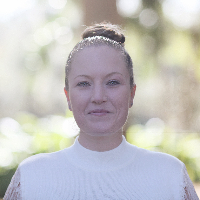
About Samantha
Samantha Bryant is a Licensed Clinical Social Worker with 15 years of experience in Florida. She works with people facing trauma, loss, stress, anxiety, and life transitions. Samantha also helps those dealing with parenting challenges, relationship and family concerns, addictions, and mood disorders like depression and bipolar.
Her background includes work with adoption and foster care, attachment concerns, blended family issues, postpartum difficulties, and survivors of sexual assault and domestic violence.
Background and approach
She has supported caregivers, first responders, and people coping with compassion fatigue. Samantha draws on a broad clinical background gathered across community and clinical settings. In sessions she keeps things straightforward and grounded.
She listens first, then uses approaches that fit each person’s goals. Her manner is warm, open, and nonjudgmental, and she aims to make people feel heard and understood. Her practice uses several therapeutic methods, including attachment-based approaches, cognitive behavioral techniques, mindfulness, solution-focused work, and trauma-informed therapy.
These tools are used flexibly to address symptoms, coping skills, and patterns that get in the way of daily life. Samantha describes therapy as a step-by-step process. She focuses on practical strategies and small changes that add up over time.
People who want a genuine, empathic listener who will work with them to set realistic goals often find her style helpful.
Therapeutic approaches that translate to online care
Attachment-based work focuses on how past relationships shape current reactions. It will look at patterns in relationships and help people build more supported ways of relating and coping. Cognitive Behavioral Therapy, or CBT, targets unhelpful thoughts and behaviors with concrete tools like thought records and behavioral experiments to reduce anxiety and improve mood. Trauma-Focused Therapy addresses responses after traumatic events by helping people process memories and learn skills to manage strong emotions.Finding the right approach is part of the process. The therapist collaborates with each person to choose methods that fit their goals, needs, and comfort level. Sessions can shift over time as progress is made or new issues appear, and choices are discussed together so the plan feels practical and clear.
Online therapy offers flexible ways to connect using video calls, phone sessions, live chat, or text-based messaging. Video allows face-to-face conversation for in-depth work. Phone can be easier when bandwidth is limited or when being off camera helps focus. Live chat and text are useful for brief check-ins, skill practice, or when a shorter touchpoint fits a busy day. These options help people keep continuity of care and make it simpler to fit therapy into everyday life.
Questions people ask
What kinds of problems can Samantha help with?
What is her general approach in therapy?
How much clinical experience does she have?
What are her credentials and where does she practice?
Can sessions be done in other languages or internationally?
What session formats are available?
How does payment and cost work?
How do I begin working with her?
What this therapist works with
Most often
- Trauma and abuse
- Grief
- Parenting issues
Also listed
- Addictions
- Adoption and foster care
- Anger management
- Attachment issues
- Bipolar disorder
- Blended family issues
- Caregiver issues and stress
- Communication problems
- Compassion fatigue
- Coping with life changes
- Depression
- Domestic violence
- Family conflicts
- First responder issues
- LGBT
- Post-traumatic stress
- Postpartum depression
- Pregnancy and childbirth
- Relationship issues
- Self esteem
- Sexual assault and abuse
- Stress, Anxiety
- Women's issues
Therapeutic approaches
- Experience
- 15 years
- Licensed
- Florida
- Languages
- English
We will earn a commission if you sign up through our link, at no cost to you.