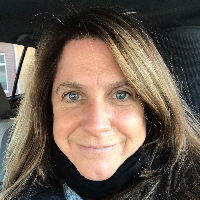
About Nicole
Nicole Williams is a Licensed Clinical Mental Health Counselor practicing in Vermont. She brings 20 years of counseling experience and a practical, down-to-earth style to her work. Nicole trained in both mental health counseling and school counseling and has worked in independent practice, community mental health, and educational settings.
Nicole focuses on helping people manage stress and anxiety and cope with life changes. She also supports those dealing with depression, grief, trauma and abuse, parenting strains, addictions, and relationship concerns.
Background and approach
She uses simple, usable tools rather than jargon so people can try things between sessions. Her approach is trauma-informed and client-centered. She combines cognitive behavioral skills with solution-focused strategies and mindfulness practices.
Sessions are conversational and goal-oriented, with an eye toward practical steps that fit daily life. Nicole emphasizes building trust and a non-judgmental space. She draws on the strengths and supports people already have and helps them expand what’s working.
Humor and everyday routines often play a role in her sessions to keep progress realistic and sustainable. People who choose her tend to want clear, doable ideas for managing anxiety and stress. She offers phone, video, live chat, and text-based messaging formats.
New people are matched through a short questionnaire and then schedule according to the therapist’s availability.
Approaches that translate well to online care
Client-centered therapy focuses on listening and responding to what matters most to the person. It helps someone feel heard and guides sessions around their priorities and pace.Cognitive Behavioral Therapy, or CBT, teaches practical skills to change unhelpful thoughts and behaviors. It is often used for anxiety, panic attacks, mood issues, and sleep or eating concerns because it gives clear steps people can practice between meetings.
Finding the right approach is part of the work together. The therapist will discuss goals, try different techniques, and adjust methods based on what fits the client's needs and preferences. That collaborative process helps identify the most useful tools over time.
Online formats include video calls, phone sessions, live chat, and text-based messaging. Video is useful for deeper conversations and exercises that benefit from face-to-face interaction. Phone sessions can fit a shorter break at work or be used when bandwidth is limited. Live chat and text are helpful for brief check-ins, quick skill practice, or ongoing support between longer sessions. These options make it easier to fit therapy into a busy life and keep progress moving forward.
Questions people ask
What concerns does she help with?
How would you describe her therapeutic style?
What is her background and experience?
What credentials and location apply to her practice?
In which languages are sessions offered and is she available internationally?
What session formats does she use?
How does cost and billing work?
How do I begin working with her?
What this therapist works with
Most often
- Stress, Anxiety
- Family conflicts
- Trauma and abuse
Also listed
- Addictions
- ADHD
- Aging and geriatric issues
- Anger management
- Bipolar disorder
- Career difficulties
- Caregiver issues and stress
- Compassion fatigue
- Coping with life changes
- Depression
- Divorce and separation
- Eating disorders
- Forgiveness
- Grief
- Hospice and end-of-life counseling
- Infidelity
- Intimacy-related issues
- Isolation / loneliness
- Jealousy
- LGBT
- Midlife crisis
- Money and financial issues
- Mood disorders
- Panic disorder and panic attacks
- Parenting issues
- Polyamory / non-monogamous relationships
- Post-traumatic stress
- Postpartum depression
- Relationship issues
- Self esteem
- Sexuality
- Sleeping disorders
- Women's issues
- Young adult issues
Therapeutic approaches
- Experience
- 20 years
- Licensed
- Vermont
- Languages
- English
We will earn a commission if you sign up through our link, at no cost to you.