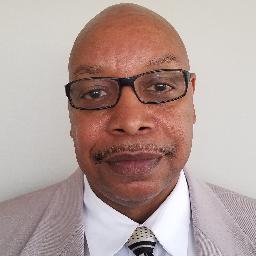
About Michael
Michael Williams is an LPC with 35 years of clinical experience. He draws on long practice to help people manage stress, anxiety, addiction, grief, and life transitions in clear, down-to-earth sessions. He favors a straightforward, people-focused approach.
Sessions emphasize listening first, then practical steps to reduce symptoms and build skills. Michael uses tools from cognitive behavioral therapy and mindfulness to change unhelpful thoughts and teach self-calming skills. He also integrates attachment-based ideas to help clients understand how early relationships shape current worries and patterns.
Background and approach
That work can clarify relationship struggles, communication problems, and issues like codependency or low self-esteem. Michael’s background includes a bachelor’s degree in psychology and a master’s degree in psychology. He holds professional counseling licenses in Missouri and Colorado as an LPC.
Those credentials reflect his long clinical practice in Missouri. Sessions are offered in English and can be scheduled as video calls, phone sessions, live chat, or text-based messaging. Michael frames therapy as a collaborative process and helps people set realistic goals and practical steps toward those goals.
How relational approaches translate to online care
Attachment-based work focuses on how early bonds shape current patterns. Online sessions use conversation and reflection to identify those patterns and practice new ways of relating to partners or loved ones. This can be helpful for people struggling with communication problems, codependency, or low self-esteem.Cognitive behavioral therapy (CBT) targets thoughts and behaviors that keep anxiety or depression active. In remote sessions clients learn to spot unhelpful thoughts, try different behaviors between sessions, and review results together. Mindfulness therapy teaches simple attention and breathing practices to reduce stress and improve mood during daily life.
Choosing the right approach is part of the work. The therapist will discuss needs, goals, and preferences and then recommend techniques to try. That decision is collaborative and may change as progress is made.
Online formats include video calls, phone sessions, live chat, and text-based messaging. Video works well when visual cues matter, phone calls use less bandwidth, live chat can fit a short check-in, and messaging lets people reflect between sessions. These options make it easier to fit counseling into a busy life while keeping therapy practical and skills-focused.
Questions people ask
What kinds of problems does this therapist address?
What is his therapeutic style?
How much clinical experience does he have?
What credentials and region are listed for this therapist?
Which languages are sessions offered in?
What session formats does he provide?
How does cost and billing work?
How do I begin working with him?
What this therapist works with
Also listed
- ADHD
- Aging and geriatric issues
- Anger management
- Blended family issues
- Body image
- Career difficulties
- Coaching
- Codependency
- Communication problems
- Compassion fatigue
- Coping with life changes
- Depression
- Domestic violence
- Drug and alcohol addiction
- Fatherhood issues
- Grief
- Guilt and shame
- Jealousy
- Life purpose
- Men's issues
- Midlife crisis
- Multicultural concerns
- Obsessions, compulsions, and OCD
- Panic disorder and panic attacks
- Parenting issues
- Post-traumatic stress
- Postpartum depression
- Process addiction (porn, exercise, gambling)
- Seasonal Affective Disorder (SAD)
- Self esteem
- Sexual dysfunction
- Somatization
- Women's issues
Therapeutic approaches
- Experience
- 35 years
- Licensed
- Missouri, Colorado
- Languages
- English
We will earn a commission if you sign up through our link, at no cost to you.