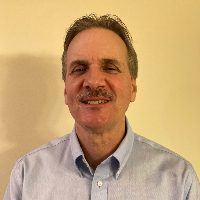
About Michael
Michael Bohman is a Licensed Clinical Social Worker with four decades of experience helping people cope with stress and anxiety. He brings calm, straightforward guidance to conversations about mental health, substance concerns, grief, and changes in life circumstances. He uses approaches that focus on the individual's needs and goals.
Sessions often concentrate on practical steps and skills people can use between meetings. Michael pairs a supportive, client-centered style with tools that challenge unhelpful thinking patterns and build coping skills.
Background and approach
Across his career he has worked in many settings, including clinical care, substance use treatment, and services for people affected by domestic violence and trauma. He has served as a clinical supervisor and consulted on training and program development. That background shapes his attention to clear goals and steady progress.
In the therapy room he helps people address relationship and intimacy concerns, parenting stress, issues of identity including LGBT matters, and mood concerns like depression and bipolar conditions. He also works with addiction, sleep and eating struggles, anger, and low self-esteem. People who come to him often want practical coping strategies and a frank, respectful conversation about their next steps.
He offers a mix of short-term problem solving and longer-term work to understand patterns that keep problems returning.
How Michael blends approaches for online care
Client-centered therapy focuses on the person in front of the therapist. It means conversations are guided by the client's goals and lived experience, and the therapist listens and reflects to help people find their own solutions. Cognitive Behavioral Therapy, or CBT, looks at how thoughts and behaviors affect mood and stress. It teaches concrete skills to change unhelpful thinking and build new routines that reduce anxiety and depression.Choosing the right approach is a shared process. Michael will talk with people about their goals and preferences and suggest methods that match those aims. Together they can try different tools and adjust the plan based on what helps most over time.
Online therapy offers several practical options. Video calls let people talk face to face and work through exercises together. Phone sessions are useful when bandwidth is limited or a quick check-in fits a work break. Live chat and text-based messaging allow shorter, flexible touchpoints and ongoing support between scheduled meetings. These formats make it easier to fit therapy into a busy life and keep momentum between sessions.
Questions people ask
What concerns does Michael help with?
What is his general therapy style?
What kind of experience does he bring?
Where is he based and what are his credentials?
In what languages are sessions offered?
Which session formats are available?
How does payment and cost work?
How do I begin working with him?
What this therapist works with
Also listed
- ADHD
- Aging and geriatric issues
- Anger management
- Bipolar disorder
- Career difficulties
- Caregiver issues and stress
- Chronic pain, illness, and disability
- Coaching
- Codependency
- Communication problems
- Compassion fatigue
- Control issues
- Coping with life changes
- Coping with natural or human-caused disaster
- Depression
- Domestic violence
- Drug and alcohol addiction
- Eating disorders
- Family conflicts
- Family problems
- Fatherhood issues
- Forgiveness
- Grief
- Intimacy-related issues
- Isolation / loneliness
- LGBT
- Life purpose
- Men's issues
- Midlife crisis
- Mood disorders
- Panic disorder and panic attacks
- Parenting issues
- Post-traumatic stress
- Relationship issues
- Self esteem
- Sleeping disorders
- Traumatic brain injury
- Young adult issues
Therapeutic approaches
- Experience
- 40 years
- Licensed
- Virginia
- Languages
- English
We will earn a commission if you sign up through our link, at no cost to you.