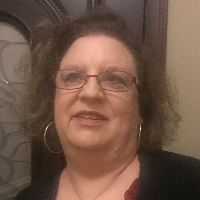
About Marguerite
Marguerite Wilcox is a Licensed Clinical Social Worker (LCSW) with more than three decades of professional experience. She focuses on clear, practical work that helps people manage stress, anxiety, depression, addiction, and relationship struggles. Her approach emphasizes everyday skills and steady progress rather than quick fixes.
She draws primarily from cognitive behavioral ideas, helping people notice thought patterns and change unhelpful behaviors. Mindfulness and awareness are woven into sessions to help clients notice what matters and reduce reactive habits.
Background and approach
She also uses techniques from dialectical behavior therapy and EMDR when those methods suit a person’s goals. Marguerite often assigns small, practical tasks between meetings. These short exercises help people apply new skills in real life and track progress over time.
She frames therapy as a collaborative process, so suggestions and feedback from clients shape the plan. Her background includes long experience in community and hospital settings in Louisiana. That time has given her familiarity with grief, trauma, caregiver stress, parenting concerns, blended family issues, and substance use challenges.
She aims to create a simple, steady path forward for people facing life transitions or chronic struggles. She encourages people to pick a therapist who fits their needs and preferences. Sessions focus on what the person wants to change and on baby steps toward those goals.
Marguerite emphasizes engagement, practical skill building, and a hopeful outlook as people work toward lasting change.
Approach-driven online therapy for practical change
Marguerite integrates cognitive behavioral methods and dialectical behavior ideas into online work. Cognitive behavioral therapy (CBT) focuses on identifying unhelpful thoughts and testing new behaviors to reduce anxiety and improve mood. Dialectical behavior therapy (DBT) brings concrete skills for emotion regulation, distress tolerance, and clearer communication when feelings feel overwhelming.She treats the choice of approach as a team decision. The therapist and client review goals, try techniques, and adjust the plan together so methods match needs and preferences. That collaborative process helps people find what actually helps them in day-to-day life.
Online formats include video calls, phone sessions, live chat, and text-based messaging. Video is useful for in-depth sessions and skill demonstrations. Phone sessions can be simpler when bandwidth is low or a shorter check-in is needed. Live chat and messaging let people work in shorter bursts between other commitments. These options make therapy more flexible for busy schedules and different comfort levels.
Questions people ask
What kinds of concerns does she help with?
How would you describe her therapy style?
What is her professional background?
What are her credentials and where is she based?
Does she offer services in other languages or internationally?
Which session formats are available?
How does billing and cost work?
How do I begin working with her?
What this therapist works with
Most often
- Stress, Anxiety
- Family conflicts
- Parenting issues
Also listed
- Abandonment
- Addictions
- ADHD
- Aging and geriatric issues
- Anger management
- Bipolar disorder
- Blended family issues
- Body image
- Career difficulties
- Caregiver issues and stress
- Co-morbidity
- Codependency
- Commitment issues
- Communication problems
- Compassion fatigue
- Control issues
- Coping with life changes
- Dependent personality
- Depression
- Divorce and separation
- Domestic violence
- Drug and alcohol addiction
- Family of origin issues
- Family problems
- Forgiveness
- Grief
- Guilt and shame
- Impulsivity
- Intimacy-related issues
- Isolation / loneliness
- Jealousy
- Life purpose
- Midlife crisis
- Money and financial issues
- Mood disorders
- Panic disorder and panic attacks
- Polyamory / non-monogamous relationships
- Post-traumatic stress
- Postpartum depression
- Pregnancy and childbirth
- Relationship issues
- Seasonal Affective Disorder (SAD)
- Self esteem
- Self-harm
- Self-love
- Social anxiety and phobia
- Trauma and abuse
- Women's issues
- Workplace issues
- Young adult issues
Therapeutic approaches
- Experience
- 33 years
- Licensed
- Louisiana
- Languages
- English
We will earn a commission if you sign up through our link, at no cost to you.