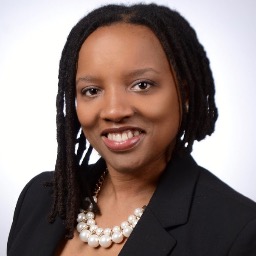
About Margot
Margot Williams is a Licensed Independent Social Worker with 25 years of experience supporting people facing anxiety, depression, trauma, and family separation. She focuses on building a calm, cooperative relationship so clients feel heard and understood. Her approach is straightforward and rooted in practical steps rather than jargon.
She works with people to set clear, doable goals tailored to their needs. Sessions emphasize strengths and use solution-focused strategies to create change.
Background and approach
Conversations are collaborative and paced to match what each person can manage. Margot draws on cognitive behavioral tools to address unhelpful thinking and behavior patterns. She also uses acceptance and commitment ideas to help people notice values and take meaningful action.
Mindfulness practices are taught in simple ways people can use between sessions. Attachment-based methods guide work around connection, loss, and relationship struggles. This helps when past family experiences affect current relationships or parenting.
She pays close attention to cultural context and asks questions rather than assuming. Her background includes long experience with foster care, adoption, caregiver stress, and grief. Margot aims to make starting therapy feel less daunting by offering a compassionate, steady presence.
She is based in Ohio and conducts sessions verbally and through messaging formats.
Therapeutic approaches for online sessions
Margot often uses Cognitive Behavioral Therapy to help people notice and change unhelpful thoughts and behaviors. CBT focuses on practical skills that can reduce anxiety and improve mood by shifting patterns people use day to day.She also draws on Acceptance and Commitment Therapy to help people clarify their values and take small, meaningful steps toward them. ACT teaches skills for accepting difficult feelings while committing to actions that matter. Attachment-Based Therapy is used when past relationships influence current struggles, helping people identify patterns and build healthier ways of relating.
Finding the right approach is part of the work. Margot will collaborate with each person to choose methods that fit their goals, needs, and comfort level. She adjusts pace and tools over time based on progress and feedback.
Online formats include video calls, phone sessions, live chat, and text-based messaging. Video calls allow face-to-face conversation for deep work. Phone sessions can be easier when bandwidth is limited or for shorter check-ins. Live chat and text messaging suit people who prefer written check-ins, need brief support between sessions, or want more flexible timing.
Questions people ask
What concerns does Margot help with?
How would you describe her therapy style?
How much experience does she have?
What are her credentials and where is she located?
Which languages and international options are available?
What session formats does she offer?
How are sessions priced?
How do I begin working with her?
What this therapist works with
Most often
Also listed
- Abandonment
- ADHD
- Adoption and foster care
- Aging and geriatric issues
- Anger management
- Attachment issues
- Blended family issues
- Career difficulties
- Caregiver issues and stress
- Communication problems
- Compassion fatigue
- Control issues
- Coping with life changes
- Depression
- Disruptive Mood Dysregulation Disorder (DMDD)
- Family conflicts
- Family of origin issues
- Family problems
- Fatherhood issues
- Forgiveness
- Guilt and shame
- Intimacy-related issues
- Isolation / loneliness
- LGBT
- Life purpose
- Midlife crisis
- Mood disorders
- Multicultural concerns
- Obsessions, compulsions, and OCD
- Parenting issues
- Post-traumatic stress
- Relationship issues
- Self esteem
- Self-love
- Veteran and Armed Forces Issues
- Women's issues
- Workplace issues
- Young adult issues
Therapeutic approaches
- Experience
- 25 years
- Licensed
- Ohio
- Languages
- English
We will earn a commission if you sign up through our link, at no cost to you.