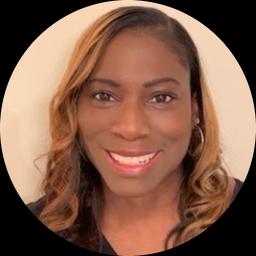
About Manilla
Manilla Jenkins is a licensed professional counselor with 30 years of experience who helps people facing anxiety, stress, addiction concerns, relationship challenges, and low self-esteem. She focuses on practical, down-to-earth support so someone in a tight moment can take the next step. She speaks English and practices in Alabama as an LPC.
Her style starts with listening. She believes each person knows their story best and brings out strengths clients already have.
Background and approach
Sessions focus on what matters now - symptoms, triggers, and small changes that add up over time. Manilla draws on client-centered methods to build trust and on cognitive behavioral techniques to spot unhelpful thinking. She also uses mindfulness tools to calm racing thoughts and motivational interviewing to help people find their own reasons to change.
Work often includes straightforward skill practice. That might mean trying a brief thought record, practicing grounding exercises for anxiety, or setting one achievable goal between sessions. For relationship concerns she uses communication-focused strategies informed by the Gottman Method to improve how people talk and listen.
Her approach emphasizes collaboration and steady progress. She supports people through common issues such as depression, trauma and abuse, sleep problems, career stress, and a range of addiction and compulsion struggles. The focus is on usable tools and realistic steps that fit a person’s life.
Approaches and online options for anxiety and stress
Manilla uses client-centered work to create a respectful, nonjudgmental space where a person’s priorities guide each session. This approach helps when someone needs support sorting through feelings or deciding what matters most. She also uses cognitive behavioral therapy, which focuses on identifying unhelpful thoughts and testing small behavior changes. CBT can be useful for anxiety, panic, phobias, and mood concerns because it breaks problems into manageable steps. Finding the right approach is a team effort. The therapist will talk with each person about their goals, try methods that fit their needs, and adjust the plan over time. That collaborative process helps people discover what works best for them. Online sessions make it easier to fit therapy into a busy life. Video calls allow face-to-face conversation when a longer visit is needed, phone sessions work when video is difficult or bandwidth is limited, and live chat or text-based messaging offer brief check-ins or support between sessions. These options give flexibility for scheduling, different levels of interaction, and ways to practice skills in real time.Questions people ask
What kinds of concerns does she address?
How would she describe her therapeutic style?
What is her background and experience?
Where is she licensed to practice?
Which language is offered for sessions?
What session formats are available?
How are fees and payment handled?
How do I begin working with her?
What this therapist works with
Most often
- Stress, Anxiety
- Addictions
- Relationship issues
Also listed
- Abandonment
- Body image
- Career difficulties
- Chronic pain, illness, and disability
- Codependency
- Communication problems
- Depression
- Drug and alcohol addiction
- Family problems
- Infidelity
- Intimacy-related issues
- Money and financial issues
- Obsessions, compulsions, and OCD
- Panic disorder and panic attacks
- Phobias
- Post-traumatic stress
- Process addiction (porn, exercise, gambling)
- Self esteem
- Self-love
- Sleeping disorders
- Social anxiety and phobia
- Trauma and abuse
- Women's issues
Therapeutic approaches
- Experience
- 30 years
- Licensed
- Alabama
- Languages
- English
We will earn a commission if you sign up through our link, at no cost to you.