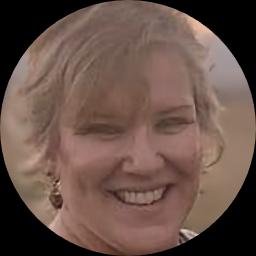
About Lynda
Lynda Woods is a licensed clinical social worker with twelve years of experience helping people manage stress and anxiety. She focuses on practical steps to reduce symptoms and regain a sense of control. Lynda uses straightforward language and a calm presence to guide people through difficult moments.
She has worked with many people facing trauma, depression, addictions, grief, and life transitions. Sessions focus on identifying what's getting in the way and building small, doable changes.
Background and approach
Lynda aims to help people move toward the life they want by setting clear, realistic goals. Her style blends attachment-based and client-centered ideas with cognitive-behavioral and mindfulness practices. That means attention to important relationships, listening without judgment, and teaching skills to change unhelpful thoughts and behaviors.
She also draws on dialectical behavior therapy tools for emotional regulation when needed. Lynda often helps people untangle issues such as abandonment, attachment concerns, relationship communication, codependency, and commitment fears. She also supports those coping with chronic pain, caregiver stress, body image, shame, and feelings of emptiness or isolation.
People who choose her typically want a supportive, practical approach. Sessions include tracking progress, learning coping skills, and trying new ways of responding to stress. Lynda works from Arizona and offers sessions in English.
How Lynda's Approaches Work Online
Attachment-based work pays attention to important relationships and how early bonds shape current reactions, helping people notice patterns that fuel anxiety or abandonment fears. Client-centered therapy emphasizes listening and collaboration, giving people space to set the pace and topics that matter most to them. Cognitive behavioral therapy focuses on spotting and changing unhelpful thoughts and behaviors, and teaches concrete skills to manage anxiety and mood.Finding the best approach is part of the process. The therapist will talk with each person about their needs, goals, and preferences and then choose or combine approaches together. That collaborative planning helps shape sessions so they feel useful and relevant from the start.
Online formats include video calls, phone sessions, live chat, and text-based messaging, which make therapy easier to fit into busy lives. Video is well suited for deeper conversations and skill practice, phone can be useful when bandwidth is limited, and chat or text work for quick check-ins or when a shorter touchpoint is helpful. These options give flexibility for timing, pacing, and how someone prefers to communicate while working on anxiety, stress, and related concerns.
Questions people ask
What concerns does Lynda commonly address?
What is her therapeutic approach and style?
How much clinical experience does she have?
What are her credentials and where is she located?
Which languages are supported for sessions?
What session formats are available?
How is cost handled for sessions?
What are the steps to start working with her?
What this therapist works with
Also listed
- Abandonment
- Aging and geriatric issues
- Attachment issues
- Body image
- Caregiver issues and stress
- Chronic pain, illness, and disability
- Codependency
- Commitment issues
- Communication problems
- Coping with life changes
- Depression
- Domestic violence
- Emptiness
- Forgiveness
- Guilt and shame
- Isolation / loneliness
- Life purpose
- Midlife crisis
- Mood disorders
- Panic disorder and panic attacks
- Post-traumatic stress
- Self-love
- Social anxiety and phobia
- Veteran and Armed Forces Issues
- Women's issues
Therapeutic approaches
- Experience
- 12 years
- Licensed
- Arizona, Montana
- Languages
- English
We will earn a commission if you sign up through our link, at no cost to you.