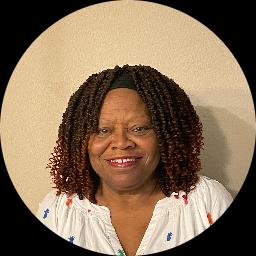
About Linda
Linda Ferguson is a Licensed Clinical Social Worker with 15 years of experience helping people manage stress and anxiety. She offers straightforward support for worries about mood, grief, addiction, trauma, relationships, and life transitions. Her tone is practical and empathic, focused on what can change now.
She creates a calm space where people can talk through what matters most. Sessions are conversational and goal-oriented. Linda listens first, then works with each person to set clear steps toward feeling better.
Background and approach
Her approach blends problem-solving with emotional support. She uses client-centered methods to follow the person's lead, and cognitive behavioral techniques to address unhelpful thoughts and habits. Motivational interviewing helps when making changes feels hard, and solution-focused strategies help set short-term goals.
Linda has worked across settings that involve addiction, domestic violence, and caregiving stress. She also supports people facing adoption-related questions, issues with aging, first responder challenges, HIV/AIDS concerns, and military-related stress. Her background includes helping with family of origin problems and communication breakdowns.
Sessions are offered in English and are scheduled to fit practical needs. Linda aims to make therapy a useful, doable part of life rather than an added burden. She encourages people to take the next step and start with a short intake to match goals and plan follow-up care.
How therapeutic approaches translate to online care
Client-Centered Therapy focuses on understanding each person's perspective and responding with empathy. In online sessions this means the therapist listens carefully and follows the client's lead to set priorities and pace. Cognitive Behavioral Therapy, or CBT, helps identify patterns of thought and behavior that fuel anxiety or low mood and replaces them with practical exercises and small experiments that can be tried between sessions.Finding the right approach is part of the work together. Linda will collaborate with each person to decide which methods fit their goals and preferences. That may mean combining approaches over time, checking in about what helps, and adjusting plans as progress is made.
Online formats include video calls, phone sessions, live chat, and text-based messaging. Video works well for in-depth conversations and skills practice. Phone sessions can fit a busy schedule or when bandwidth is limited. Live chat and messaging are useful for brief check-ins, reminders, or steady support between longer sessions. These options make it easier to fit care into real life while still working toward clear goals.
Questions people ask
What concerns does Linda commonly address?
What is her general therapy style?
How much clinical experience does she have?
Which credentials and region are listed?
In what languages can sessions be held?
Are international clients accepted?
What session formats are available?
How are costs and getting started handled?
What this therapist works with
Also listed
- Adoption and foster care
- Aging and geriatric issues
- Anger management
- Caregiver issues and stress
- Coaching
- Communication problems
- Depression
- Domestic violence
- Drug and alcohol addiction
- Family conflicts
- Family of origin issues
- Family problems
- First responder issues
- Grief
- HIV / AIDS
- Isolation / loneliness
- LGBT
- Life purpose
- Midlife crisis
- Mood disorders
- Multicultural concerns
- Personality disorders
- Post-traumatic stress
- Postpartum depression
- Prejudice and discrimination
- Relationship issues
- Self-love
- Sexual assault and abuse
- Social anxiety and phobia
- Veteran and Armed Forces Issues
- Women's issues
- Young adult issues
Therapeutic approaches
- Experience
- 15 years
- Licensed
- North Carolina
- Languages
- English
We will earn a commission if you sign up through our link, at no cost to you.