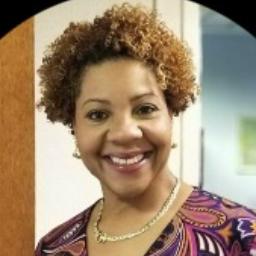
About La
La Shemah Williams is a licensed clinical social worker with 20 years of experience helping people manage stress and anxiety. She focuses on practical steps that fit daily life and offers calm, respectful guidance for people feeling overwhelmed. Her approach is warm and interactive.
Sessions center on the person's goals and strengths. She uses clear techniques to address mood problems, anxiety, relationship struggles, parenting concerns, grief, addictions, and trauma-related issues.
Background and approach
La Shemah blends several ways of working to match what each person needs. She uses client-centered methods to listen and build trust. She incorporates cognitive behavioral ideas to spot unhelpful thinking and change behaviors that cause pain.
Emotionally-focused work helps people name and move through strong feelings tied to relationships and loss. Mindfulness techniques are used to reduce reactivity and teach simple ways to calm the nervous system. Motivational interviewing supports people ready to change habits like substance use or eating patterns.
She practices in New York and communicates in English. Her background includes two decades of practice with adults and adolescents who have faced trauma, emotional abuse, and mood disorders. La Shemah emphasizes collaboration and practical tools so people can make steady progress between sessions.
How therapeutic approaches translate to online care
Client-Centered Therapy focuses on listening and building a trusting relationship. The therapist follows the person's lead, reflects feelings, and helps people notice their own strengths so they can make change. This approach is helpful for anyone needing support to sort emotions and set goals.Cognitive Behavioral Therapy, or CBT, looks at the link between thoughts, feelings, and actions. It uses concrete exercises to test unhelpful thoughts and change behaviors that keep problems like anxiety and depression going. CBT is often used for stress, social anxiety, and mood concerns.
Emotionally-Focused Therapy helps people identify and move through strong emotions tied to relationships and loss. It supports clearer communication and deeper emotional awareness when intimacy, grief, or relationship conflict are involved.
Finding the right method is a shared process. The therapist will talk about goals, try techniques, and adjust the plan together depending on what feels useful. Clients can expect collaboration and regular check-ins about progress and next steps.
Online therapy offers flexible ways to meet. Video calls allow face-to-face interaction for skills practice and emotional work. Phone sessions can be a good option when bandwidth is limited or a shorter check-in is needed. Live chat and text-based messaging work well for people who prefer brief, written exchanges or want ongoing check-ins between sessions. These formats make it easier to fit therapy into a busy life.
Questions people ask
What concerns does she help with?
What is her therapeutic style?
How long has she been practicing?
What credentials and location are listed?
Which languages are available for sessions?
What session formats are offered?
How does pricing work?
How do I begin working with her?
What this therapist works with
Most often
- Stress, Anxiety
- Relationship issues
- Family conflicts
Also listed
- Addictions
- Body image
- Communication problems
- Depression
- Divorce and separation
- Eating disorders
- Forgiveness
- Grief
- Impulsivity
- Intimacy-related issues
- Isolation / loneliness
- Life purpose
- Mood disorders
- Parenting issues
- Post-traumatic stress
- Self-love
- Sexuality
- Social anxiety and phobia
- Trauma and abuse
- Women's issues
- Workplace issues
Therapeutic approaches
- Experience
- 20 years
- Licensed
- New York
- Languages
- English
We will earn a commission if you sign up through our link, at no cost to you.