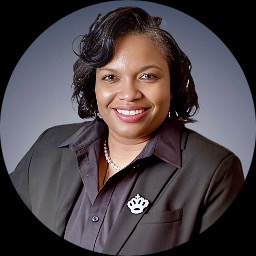
About Katuria
Katuria Norwood is a Licensed Professional Counselor (LPC) based in South Carolina who helps people cope with stress and anxiety. She focuses on practical, down-to-earth support for a wide range of concerns, including trauma, depression, addictions, relationship and intimacy issues, parenting struggles, and work-related stress. Her approach aims to make therapy feel useful and understandable from the first session.
Katuria draws on 15 years of experience to tailor sessions to each person's needs.
Background and approach
She uses client-centered methods to listen first and follow the client’s lead. Cognitive Behavioral Therapy tools are used when people want concrete strategies to change patterns of thinking and behavior. Mindfulness techniques are offered to help reduce reactivity and manage strong emotions.
Motivational Interviewing is used when clients want help finding internal motivation for change. Trauma-focused methods are also part of her work for people recovering from past harm. Katuria has worked extensively with issues affecting LGBT clients and women, and she supports people facing first responder stress, grief, obsessive-compulsive patterns, and multicultural concerns.
She also helps people dealing with ADHD-related challenges, seasonal mood shifts, and questions about life purpose. Sessions are available in English and can be scheduled online in several formats. Katuria aims to create an inviting, practical space where clients can talk through immediate problems and build skills for longer-term change.
How Katuria Uses Evidence-Based Methods Online
Client-Centered Therapy puts the person’s experience first. The therapist listens carefully and helps people set goals that matter to them, which is useful for anxiety, life changes, and relationship concerns. Cognitive Behavioral Therapy (CBT) focuses on identifying unhelpful thoughts and testing new behaviors; it gives concrete tools for managing anxiety, mood, and compulsive patterns.The right approach is often found together. Katuria will talk with each client about their needs, goals, and preferences and then adapt methods accordingly. That collaborative process may mix listening-based work, skills training, and trauma-focused interventions as needed.
Online formats include video calls, phone sessions, live chat, and text-based messaging. Video works well for deeper conversation and skill practice. Phone sessions can fit a shorter check-in or when bandwidth is limited. Live chat and messaging are useful for quick support, check-ins, or ongoing coaching between longer sessions. These options make it easier to schedule care around work, family, or travel while using approaches like CBT and mindfulness in flexible ways.
Questions people ask
What kinds of problems does this therapist help with?
How would you describe the therapy style?
What is her professional background?
What credentials and region are listed?
Which languages and international options are supported?
What session formats are available?
How does pricing and payment work?
What do I do to begin working with this therapist?
What this therapist works with
Most often
- Stress, Anxiety
- LGBT
- Family conflicts
Also listed
- Addictions
- ADHD
- Anger management
- Bipolar disorder
- Career difficulties
- Coaching
- Compassion fatigue
- Coping with life changes
- Depression
- First responder issues
- Forgiveness
- Gender dysphoria
- Grief
- Guilt and shame
- Hoarding
- Intimacy-related issues
- Jealousy
- Life purpose
- Multicultural concerns
- Obsessions, compulsions, and OCD
- Parenting issues
- Personality disorders
- Polyamory / non-monogamous relationships
- Post-traumatic stress
- Relationship issues
- Seasonal Affective Disorder (SAD)
- Self esteem
- Self-love
- Trauma and abuse
- Women's issues
Therapeutic approaches
- Experience
- 15 years
- Licensed
- South Carolina
- Languages
- English
We will earn a commission if you sign up through our link, at no cost to you.