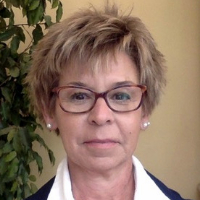
About Jane
Jane Robbins is an LCSW with 25 years of clinical experience who helps people facing stress, anxiety, depression, grief, relationship struggles, and major life changes. She works with concerns that include trauma, addiction, parenting stress, sleep and eating issues, self-esteem, ADHD, and caregiver burden. She practices in North Carolina and offers services in English to clients both in the U.S. and internationally.
She begins by building a trusting rapport so people feel comfortable talking honestly.
Background and approach
Sessions focus on practical steps and clear goals rather than labels. Jane emphasizes collaboration - clients set priorities and she matches methods to each person’s needs. Her approach draws on several evidence-informed methods.
She uses cognitive behavioral techniques to identify unhelpful thoughts and behaviors. She incorporates acceptance and commitment ideas to help people live by their values while tolerating hard feelings. She also uses client-centered listening and psychodynamic questions when exploring deeper patterns.
In sessions Jane helps people learn skills for managing intense emotions, improving communication, and changing routines that get in the way of daily functioning. For grief, end-of-life caregiving, or chronic stress she blends practical problem-solving with emotional support. For addictions and eating concerns she works on small behavioral changes and coping strategies.
Clients can expect straightforward conversation, gentle challenge, and homework when useful. Jane aims to help people notice what matters, practice new habits, and gain confidence in handling setbacks. She encourages steady progress at a pace the client chooses.
How Jane’s Approaches Translate to Online Sessions
Jane commonly uses cognitive behavioral therapy to help people notice and change unhelpful thought patterns and behaviors, which can reduce anxiety and improve mood by focusing on practical exercises and homework that translate well to remote work.She also draws on acceptance and commitment therapy to help clients clarify their values and practice accepting difficult feelings while taking meaningful action. That approach is useful for coping with stress, grief, and chronic worry when life circumstances can’t be immediately changed.
Client-centered listening is central too - she creates space for clients to speak and be heard, then matches techniques to what the person needs in the moment. This flexible stance helps shape a plan that fits each person’s goals and preferences.
Finding the right approach is part of the process and she treats it as a collaboration. Together the client and therapist will try methods, assess what helps, and adjust the plan over time. The aim is to find tools that feel useful and manageable for daily life.
Online therapy offers practical benefits for working with these methods. Video calls allow face-to-face conversation and screen sharing for worksheets. Phone sessions can be easier when bandwidth is limited. Live chat and text-based messaging let clients check in between sessions, do brief coaching, or report progress without scheduling a full call. These options make it easier to keep momentum and practice new skills in real situations.
Questions people ask
What kinds of problems does she help with?
How would she describe her therapy style?
What is her clinical background?
What credentials and where does she practice?
Which languages are available for sessions?
What session formats are offered?
How does cost and payment work?
How do I begin working with her?
What this therapist works with
Most often
- Stress, Anxiety
- Relationship issues
- Grief
Also listed
- Addictions
- ADHD
- Aging and geriatric issues
- Anger management
- Bipolar disorder
- Body image
- Career difficulties
- Caregiver issues and stress
- Communication problems
- Compassion fatigue
- Control issues
- Coping with life changes
- Depression
- Divorce and separation
- Eating and food-related issues
- Eating disorders
- Emptiness
- Family conflicts
- Family of origin issues
- Family problems
- Forgiveness
- Guilt and shame
- Hospice and end-of-life counseling
- Infidelity
- Isolation / loneliness
- Jealousy
- LGBT
- Life purpose
- Midlife crisis
- Mood disorders
- Obsessions, compulsions, and OCD
- Parenting issues
- Self esteem
- Sleeping disorders
- Social anxiety and phobia
- Trauma and abuse
- Women's issues
Therapeutic approaches
- Experience
- 25 years
- Licensed
- North Carolina
- Languages
- English
We will earn a commission if you sign up through our link, at no cost to you.