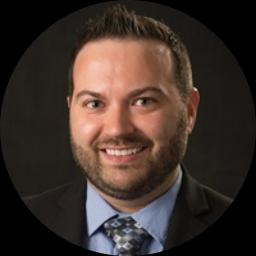
About Frank
Frank Noll is a Licensed Mental Health Counselor (LMHC) practicing in New York. He brings seven years of experience helping people manage stress and anxiety, navigate LGBTQ concerns, and cope with trauma and depression. He meets people where they are and treats each story as unique.
Frank uses straightforward conversation to identify what matters most to a person. He listens for strengths and practical resources clients already have. Sessions focus on small, doable steps that reduce worry and build steadier routines.
Background and approach
His approach draws on evidence-based methods like Acceptance and Commitment Therapy and Cognitive Behavioral Therapy alongside client-centered listening. That mix helps people notice unhelpful thoughts, try new behaviors, and clarify personal values. Mindfulness and skills from Dialectical Behavior Therapy are added when emotional regulation or distress tolerance is needed.
Frank often works with people facing identity-related stress, attention difficulties, relationship strains, and questions about life purpose. He also addresses issues such as attachment wounds, body image, guilt, and isolation. Conversations cover both immediate coping and longer-term changes a person wants to make.
Starting therapy with Frank is practical and plainspoken. He helps clients set simple goals, track progress, and adjust methods when needed. The aim is steady improvement you can notice between sessions, not quick fixes or jargon.
How therapeutic approaches translate to online sessions
Acceptance and Commitment Therapy helps people clarify what matters to them and take small actions toward those values while learning to live with difficult thoughts and feelings. Cognitive Behavioral Therapy looks at the links between thoughts, feelings, and actions and teaches concrete skills to change patterns that keep stress and anxiety active.Finding the right mix of approaches is part of therapy. The therapist will work collaboratively to pick methods that match a person's goals, needs, and everyday routine. That might mean focusing on values and committed action one week and practicing CBT skill work the next, depending on what proves most helpful.
Online formats include video calls, phone sessions, live chat, and text-based messaging. Video is useful for in-depth conversation and exercises, while phone sessions can be easier when bandwidth is limited. Live chat or text works well for brief check-ins, skill practice, or pages of journaling between longer appointments. These options make it easier to fit therapy into a busy life and to try different ways of working until a good fit is found.
Questions people ask
What concerns does Frank focus on?
What is his therapeutic style?
How much clinical experience does he have?
Where is he licensed and located?
Which languages are supported?
What session formats are available?
How are costs handled?
How do I begin working with him?
What this therapist works with
Most often
Also listed
- Abandonment
- ADHD
- Attachment issues
- Autism and Asperger Syndrome
- Body image
- Co-morbidity
- Commitment issues
- Communication problems
- Depression
- Family problems
- Forgiveness
- Gender dysphoria
- Guilt and shame
- Impulsivity
- Infidelity
- Isolation / loneliness
- Life purpose
- Men's issues
- Midlife crisis
- Money and financial issues
- Mood disorders
- Panic disorder and panic attacks
- Polyamory / non-monogamous relationships
- Post-traumatic stress
- Prejudice and discrimination
- Self-love
- Sexuality
- Social anxiety and phobia
- Workplace issues
- Young adult issues
Therapeutic approaches
- Experience
- 7 years
- Licensed
- New York
- Languages
- English
We will earn a commission if you sign up through our link, at no cost to you.