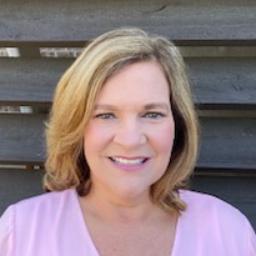
About Donda
Donda Goodson is a licensed counselor in Alabama with more than three decades of clinical experience. She focuses on helping people who are dealing with stress, anxiety, grief, depression, addictions, and life changes. Her plainspoken style aims to make therapy feel manageable for someone who is worried and overwhelmed.
She holds a master's degree in Rehabilitation Counseling from the University of Alabama at Birmingham and an undergraduate degree from Auburn University in Vocational Rehabilitation.
Background and approach
She received her counseling license in 1992 and has worked in both mental health agencies and independent practice. Her long experience includes working with clients who have ADHD, autism spectrum conditions, bipolar issues, and trauma history. Donda uses client-centered methods to build a respectful, listening relationship.
She also draws on cognitive behavioral tools to help people spot unhelpful thoughts and try different behaviors. These approaches are practical and oriented toward small steps that add up over time. Typical concerns she addresses include parenting strain, anger, substance use challenges, abandonment and adoption-related issues, chronic illness and pain, and first responder stress.
She helps people set clear, realistic goals and practices skills in session that can be used between meetings. Sessions are presented in straightforward language and paced to match each person's needs. Her approach blends empathy with concrete techniques so people can see progress and feel steadier in everyday life.
Therapeutic approaches and how they work online
Acceptance and Commitment Therapy (ACT) helps people notice thoughts and feelings without getting stuck in them, and then choose actions that match their values. It can be useful for anxiety, stress, and coping with life changes. Cognitive Behavioral Therapy (CBT) focuses on identifying unhelpful thinking patterns and testing new behaviors to reduce symptoms like anxiety and depression. Client-Centered Therapy emphasizes listening and building trust so people can explore their goals at their own pace.Deciding which approach to use is a collaborative process. The therapist will work with each person to match methods to their goals and preferences, and may combine elements from different approaches depending on how things are going. This makes therapy more flexible and tailored to the individual's needs.
Online formats - video calls, phone sessions, live chat, and text-based messaging - make it easier to fit sessions into busy schedules. Video calls let people use visual cues and practice skills in real time. Phone sessions use less bandwidth and can be a good choice for a quicker check-in. Live chat and messaging allow short, focused communication and ongoing support between sessions. These options let people try different formats and pick what works best for their routine and comfort.
Questions people ask
What kinds of concerns does she address?
What is her general therapy style?
How long has she been practicing?
Where is she licensed and based?
Which languages are supported?
What session formats are available?
How does billing and cost work?
How do I begin therapy with her?
What this therapist works with
Most often
Also listed
- Abandonment
- Addictions
- ADHD
- Adoption and foster care
- Anger management
- Autism and Asperger Syndrome
- Bipolar disorder
- Blended family issues
- Chronic pain, illness, and disability
- Co-morbidity
- Codependency
- Communication problems
- Coping with life changes
- Coping with natural or human-caused disaster
- Depression
- Divorce and separation
- Drug and alcohol addiction
- Emptiness
- Family conflicts
- Family problems
- Fatherhood issues
- First responder issues
- Forgiveness
- Guilt and shame
- Impulsivity
- Infidelity
- Isolation / loneliness
- Mood disorders
- Obsessions, compulsions, and OCD
- Panic disorder and panic attacks
- Parenting issues
- Post-traumatic stress
- Seasonal Affective Disorder (SAD)
- Self esteem
- Self-harm
- Self-love
- Sexual assault and abuse
- Social anxiety and phobia
- Veteran and Armed Forces Issues
Therapeutic approaches
- Experience
- 32 years
- Licensed
- Alabama, Florida, Virginia
- Languages
- English
We will earn a commission if you sign up through our link, at no cost to you.