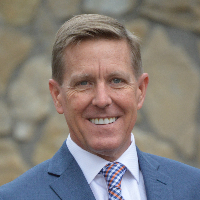
About David
David Yoder is a Licensed Professional Counselor (LPC) with six years of experience. He focuses on making therapy feel natural and approachable so people can talk about what matters most. He commonly helps with stress and anxiety while also addressing depression, addictions, relationship concerns, and life transitions.
David leans on a person-centered approach that puts the client's perspective first. That means sessions start with listening and understanding what the client hopes to change.
Background and approach
From there he offers practical tools drawn from cognitive behavioral and dialectical behavior ideas when they fit. He also uses hypnotherapy and existential ideas when clients want to examine meaning, values, or patterns that repeat in their lives. Those options are presented as flexible tools rather than fixed rules.
Clients work together with him to choose what makes sense for their situation. David has experience helping people with sleep problems, grief, anger, ADHD, bipolar symptoms, and career or parenting stress. He also supports LGBT concerns, family of origin issues, codependency, and problems with communication and control.
His approach is to build a clear picture of goals and then try realistic steps toward them. Sessions are offered from Missouri and conducted in English. David prefers a collaborative pace and aims to make progress feel steady and manageable for people coming through difficult times.
Therapeutic approaches for online work
David often uses Client-Centered Therapy to begin online work. This approach focuses on listening and understanding a person's goals, building a working relationship, and letting change unfold at the client's pace. It helps when people need a supportive space to sort through stress, anxiety, or life decisions.He also commonly uses Cognitive Behavioral Therapy (CBT). CBT looks at thoughts and behaviors to find small, practical changes that reduce worry or low mood. It is useful for anxiety, sleeping problems, and coping with transitions. Dialectical Behavior Therapy (DBT) skills are offered when people need tools for emotional regulation, distress tolerance, and improving communication in tense moments.
Choosing an approach is a collaborative process. The therapist will listen to your goals and suggest options, then try methods together to see what fits. If something does not help, adjustments are made so the work stays practical and relevant.
Online formats include video calls, phone sessions, live chat, and text-based messaging. Video is good for a full session with visual cues, phone can be easier when bandwidth is limited, and messaging or live chat work well for quick check-ins or when a shorter interaction is helpful. These options make therapy more flexible around work, family, and travel schedules.
Questions people ask
What kinds of concerns does he address?
What is his style in therapy?
How much clinical experience does he have?
Where is he based and what credential does he hold?
Which languages are supported for sessions?
Can people outside the United States work with him?
What session formats are available?
How does cost and scheduling work?
What this therapist works with
Most often
- Stress, Anxiety
- Addictions
- Relationship issues
Also listed
- ADHD
- Anger management
- Antisocial personality
- Attachment issues
- Bipolar disorder
- Career difficulties
- Co-morbidity
- Codependency
- Communication problems
- Control issues
- Coping with life changes
- Depression
- Divorce and separation
- Drug and alcohol addiction
- Family conflicts
- Family of origin issues
- Family problems
- Forgiveness
- Grief
- Guilt and shame
- Impulsivity
- Isolation / loneliness
- LGBT
- Life purpose
- Men's issues
- Midlife crisis
- Money and financial issues
- Mood disorders
- Narcissism
- Obsessions, compulsions, and OCD
- Panic disorder and panic attacks
- Parenting issues
- Personality disorders
- Phobias
- Post-traumatic stress
- Process addiction (porn, exercise, gambling)
- Self esteem
- Self-harm
- Self-love
- Sexual assault and abuse
- Sleeping disorders
- Smoking / vaping cessation
- Social anxiety and phobia
- Trauma and abuse
- Workplace issues
- Young adult issues
Therapeutic approaches
- Experience
- 6 years
- Licensed
- Missouri
- Languages
- English
We will earn a commission if you sign up through our link, at no cost to you.