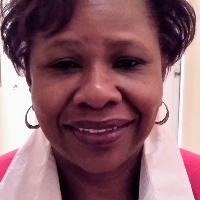
About Cynthia
Cynthia Fulton-Solomon is a Licensed Clinical Social Worker with three decades of experience helping people manage anxiety, depression, stress, and related challenges. She speaks plainly and listens first, aiming to help clients feel heard and steady. Her manner is warm and easygoing, and she uses practical methods to address day-to-day problems.
She trained with a social work master's program focused on children, youth, and families and has a long history of working across age groups.
Background and approach
Much of her recent work has been in the juvenile justice system, where she provides individual and group counseling to young people on probation or parole. That work sharpened her skills in setting clear goals and supporting behavior change. Cynthia draws on Client-Centered Therapy to follow what matters most to each person.
She also uses Cognitive Behavioral Therapy to identify thoughts and actions that keep problems going. Dialectical Behavior Therapy strategies are used when people need skills for emotion regulation and crisis coping. Her background includes work with anxiety disorders, depressive disorders, post-traumatic stress, chronic homelessness, and substance use concerns.
She has experience helping students with academic and behavioral challenges and supporting families navigating medical, social, and cultural stressors. In sessions she focuses on listening, empathy, and humor while working toward concrete goals. Cynthia helps people build coping skills, reduce harmful behaviors, and move toward more stable routines and relationships.
She welcomes conversations about practical steps clients can take now.
Approaches that translate well to online care
Client-Centered Therapy focuses on listening and following the client's priorities, which helps shape each online session around what matters most. Cognitive Behavioral Therapy, or CBT, looks at the link between thoughts, feelings, and behaviors and introduces small, practical exercises clients can try between sessions. Dialectical Behavior Therapy, DBT, teaches concrete skills for managing intense emotions, improving distress tolerance, and handling relationship stress.Finding the right approach is part of the early work. The therapist will collaborate with the client to choose methods that match goals and preferences, and will adjust the plan as progress is made. That collaboration helps ensure sessions feel relevant and useful.
Online sessions can be scheduled as video calls, phone sessions, live chat, or text-based messaging to fit different days and needs. Video sessions allow face-to-face interaction for skill coaching, phone sessions can be easier when bandwidth is limited, live chat works for quick check-ins, and messaging supports shorter updates or skill practice between appointments. These options make it simpler to keep therapy consistent around work, school, caregiving, and other responsibilities.
Questions people ask
What concerns does she commonly address?
What is her therapeutic style like?
How much experience does she have?
What are her credentials and location?
Which languages are supported for sessions?
What session formats are available online?
How is cost handled for sessions?
How do I begin working with her?
What this therapist works with
Most often
- Trauma and abuse
- Anger management
- Self esteem
Also listed
- Addictions
- ADHD
- Aging and geriatric issues
- Bipolar disorder
- Blended family issues
- Career difficulties
- Caregiver issues and stress
- Coaching
- Communication problems
- Compassion fatigue
- Coping with life changes
- Coping with natural or human-caused disaster
- Depression
- Divorce and separation
- Domestic violence
- Drug and alcohol addiction
- Emptiness
- Family conflicts
- Family of origin issues
- Family problems
- Forgiveness
- Grief
- Guilt and shame
- Impulsivity
- Isolation / loneliness
- Jealousy
- LGBT
- Life purpose
- Men's issues
- Midlife crisis
- Money and financial issues
- Multicultural concerns
- Panic disorder and panic attacks
- Parenting issues
- Post-traumatic stress
- Process addiction (porn, exercise, gambling)
- Relationship issues
- Seasonal Affective Disorder (SAD)
- Self-love
- Sexual assault and abuse
- Social anxiety and phobia
- Stress, Anxiety
- Women's issues
- Workplace issues
- Young adult issues
Therapeutic approaches
- Experience
- 30 years
- Licensed
- Louisiana
- Languages
- English
We will earn a commission if you sign up through our link, at no cost to you.