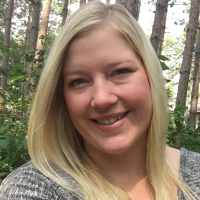
About Connie
Connie Toavs is a licensed clinical social worker with ten years of practice in Minnesota. She works with people facing anxiety, depression, grief, relationship pain, and major life changes. Connie aims to make sessions feel calm and straightforward for someone who is worried or overwhelmed.
She draws on a background in psychology, gerontology, and social work to understand both life stage and personal history. Connie pays attention to how past relationships and family patterns affect current behavior and feelings.
Background and approach
She uses plain language to explain how stress shows up in the body and mind. In sessions she helps people name repeated patterns and trace where they began. That helps clients decide what to change and what to accept.
She combines listening with practical steps so people can try something between appointments. Connie often uses approaches that focus on relationships and emotions, along with tools to shift thinking and behavior. She also supports people navigating chronic illness, caregiving strain, end-of-life concerns, and sexual diversity such as BDSM and kink issues.
Her work addresses problems like isolation, guilt, codependency, and compassion fatigue. Her style is calm, nonjudgmental, and collaborative. Connie explains ideas clearly and will work with each person to shape goals and a plan that fit their life and pace.
Relationship and behavior-focused therapy online
Attachment-Based Therapy looks at how early and current relationships shape feelings and reactions. It can help with anxiety tied to closeness, trust, and patterns that repeat in relationships. Cognitive Behavioral Therapy, or CBT, focuses on the link between thoughts, feelings, and actions. It teaches clear techniques to test and change unhelpful thinking and small behavior changes that reduce anxiety and depression.Finding the right approach is part of therapy. The therapist will work collaboratively to choose methods that match a person’s goals and preferences. That may mean trying emotion-focused work first and adding CBT tools later, or blending approaches to address both relationship patterns and daily coping skills.
Online sessions are offered through video calls, phone sessions, live chat, or text-based messaging to make care more flexible. Video is useful for deeper conversation and visual connection. Phone sessions take less bandwidth and can fit into a busy day. Live chat or text messaging can support quick check-ins, ongoing processing between sessions, or a shorter format when callers prefer not to use video. These options make it easier to fit therapy into work, caregiving, and other life demands.
Questions people ask
What concerns does she help with?
How would you describe her therapeutic style?
What is her professional background?
What credentials and location are listed?
Which languages are offered and are international clients accepted?
What session formats are available?
How does pricing work?
How do I begin working with her?
What this therapist works with
Most often
Also listed
- Addictions
- Aging and geriatric issues
- BDSM, kink, and alternative sex culture
- Cancer
- Career difficulties
- Caregiver issues and stress
- Chronic pain, illness, and disability
- Co-morbidity
- Codependency
- Commitment issues
- Communication problems
- Compassion fatigue
- Coping with life changes
- Depression
- Emptiness
- Guilt and shame
- Hospice and end-of-life counseling
- Intimacy-related issues
- Isolation / loneliness
- LGBT
- Life purpose
- Mood disorders
- Panic disorder and panic attacks
- Post-traumatic stress
- Process addiction (porn, exercise, gambling)
- Relationship issues
- Self esteem
- Self-love
- Sexuality
- Traumatic brain injury
- Women's issues
- Young adult issues
Therapeutic approaches
- Experience
- 10 years
- Licensed
- Minnesota, Wisconsin
- Languages
- English
We will earn a commission if you sign up through our link, at no cost to you.