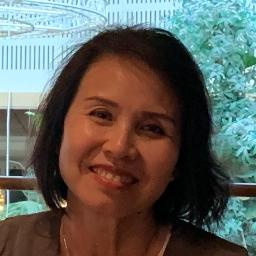
About Cheng
Cheng Sinatt Tang is a PACFA clinical member with 15 years of experience in Australia. She offers calm, practical support for people managing stress, anxiety, addiction and the effects of trauma. Sessions focus on clear goals and steady progress rather than quick fixes.
Cheng adapts each session to the person in front of her. She listens first, then suggests ways to cope that fit the person's life and values. That might include skills for managing strong emotions, habits to reduce addictive behaviour, or ways to reduce everyday stress.
Background and approach
Her work draws on several approaches including cognitive work to change unhelpful thoughts, acceptance strategies to reduce struggling with difficult feelings, and attachment ideas to improve close relationships. She also uses mindfulness and skills training when helpful for emotional regulation. People who choose Cheng usually want a collaborative counsellor who is direct but warm.
She aims to create a space where people can be honest about tough things and practise new ways of responding. Sessions are practical and grounded in everyday life. Cheng speaks English, Mandarin, Central Khmer and Cantonese.
Her practice supports a wide range of concerns including caregiver stress, chronic illness and pain, communication problems, life purpose questions, mood concerns and addiction-related challenges. Therapy is tailored to the person’s needs and goals.
How Cheng's approaches fit online therapy
Acceptance and Commitment Therapy (ACT) invites people to notice thoughts and feelings without getting stuck in them and to act in ways that match their values. It can help with anxiety, stress and decisions about life direction. Cognitive Behavioural Therapy (CBT) looks at the link between thoughts, feelings and actions and teaches practical techniques to reduce anxiety and unhelpful behaviour. It is useful for stress, mood concerns and many everyday problems. Attachment-Based Therapy focuses on patterns in close relationships and can help people understand why they react certain ways with others and build different habits.Choosing the right approach is part of the work. Cheng will talk with the client about goals and preferences, then try strategies together to see what fits. That collaborative process helps shape which methods are used and how sessions are organised.
Online therapy offers flexibility through video calls, phone sessions, live chat or text-based messaging. Video lets people use visual cues during sessions. Phone sessions can be easier when bandwidth is limited or when someone wants a shorter check-in. Live chat and text messaging suit people who prefer to write or need more frequent brief contact. These options make it easier to fit therapy into busy schedules and different daily routines.
Questions people ask
What kinds of concerns does Cheng work with?
How would you describe Cheng's therapy style?
How much clinical experience does she have?
What credentials does Cheng hold and where is she based?
Which languages are supported in sessions?
What session formats are available?
How are sessions paid for and what does it cost?
How do I begin if I want to work with Cheng?
What this therapist works with
Most often
- Stress, Anxiety
- Addictions
- Family conflicts
Also listed
- Attachment issues
- Caregiver issues and stress
- Chronic pain, illness, and disability
- Coaching
- Communication problems
- Control issues
- Divorce and separation
- Domestic violence
- Drug and alcohol addiction
- Forgiveness
- Guilt and shame
- Impulsivity
- Isolation / loneliness
- Life purpose
- Midlife crisis
- Mood disorders
- Multicultural concerns
- Obsessions, compulsions, and OCD
- Post-traumatic stress
- Sexual assault and abuse
- Social anxiety and phobia
- Trauma and abuse
- Women's issues
- Workplace issues
Therapeutic approaches
- Experience
- 15 years
- Licensed
- Languages
- English, Mandarin, Central Khmer, Cantonese
We will earn a commission if you sign up through our link, at no cost to you.