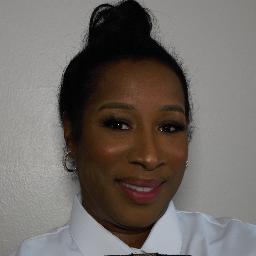
About Chamika
Chamika Barrant is a Licensed Mental Health Counselor (LMHC) who focuses on practical, person-centered work. She uses clear tools to help people reduce anxiety and manage stress. Her style is direct and compassionate and aimed at everyday change.
Chamika believes therapy is a place to speak honestly without judgment. She helps clients name feelings that are hard to say aloud. That often makes it easier to see how past experiences link to current struggles.
Background and approach
She combines cognitive behavioral techniques with mindfulness to help people notice their thoughts and change unhelpful patterns. Sessions include learning how emotions, behaviors, and consequences connect. She also uses S.M.A.R.T. goals so progress can be tracked and adjusted.
Chamika brings five years of counseling experience in New York. She works with people dealing with anxiety, stress, low self-esteem, depression, grief, relationship and intimacy challenges, and life transitions. Additional areas she addresses include addiction, attachment concerns, body image, caregiver stress, and personality-related issues.
Her approach is collaborative and practical. Clients can expect to set measurable steps, identify triggers, and practice new coping skills between sessions. The work aims to create clearer choices and more manageable days.
Chamika offers phone, video, live chat, and text-based messaging sessions. Meetings are arranged to fit each person’s schedule and goals.
Approaches that guide online sessions
Chamika uses cognitive behavioral techniques to help people identify and change unhelpful thoughts and behaviors. CBT sessions often focus on small experiments and skill practice that reduce anxiety and improve mood.She also applies mindfulness-based strategies to help clients notice their feelings and bodily reactions without judgment. These practices can reduce reactivity and support clearer decision making during stressful moments.
Finding the right approach is part of the work. Chamika collaborates with each person to choose tools that match their needs, goals, and preferences. She checks progress and adjusts techniques so sessions stay focused and useful.
Online formats include video calls, phone sessions, live chat, and text-based messaging. Video calls are useful for deeper conversations and skill demonstrations. Phone sessions can fit a break at work or use less bandwidth. Live chat and text-based messaging let people check in between meetings or use shorter, more frequent touchpoints. These options make it easier to fit therapy into a busy life while still working toward measurable goals.
Questions people ask
What problems does she help with?
What is her therapy style like?
How much experience does she have?
What credentials and location are listed?
Which languages are offered and are international clients supported?
In what formats are sessions offered?
How are fees handled?
What is the process to begin therapy?
What this therapist works with
Most often
Also listed
- Abandonment
- Addictions
- Anger management
- Attachment issues
- Bipolar disorder
- Body image
- Caregiver issues and stress
- Coaching
- Commitment issues
- Communication problems
- Control issues
- Coping with life changes
- Dependent personality
- Divorce and separation
- Family conflicts
- Family problems
- Forgiveness
- Grief
- Intimacy-related issues
- Isolation / loneliness
- Jealousy
- LGBT
- Midlife crisis
- Personality disorders
- Phobias
- Post-traumatic stress
- Postpartum depression
- Relationship issues
- Smoking / vaping cessation
- Social anxiety and phobia
- Women's issues
- Young adult issues
Therapeutic approaches
- Experience
- 5 years
- Licensed
- New York
- Languages
- English
We will earn a commission if you sign up through our link, at no cost to you.