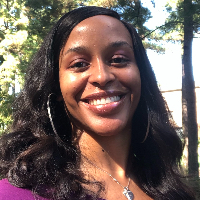
About Ashley
Dr. Ashley Thomas is a licensed clinical mental health counselor practicing in North Carolina. She focuses on helping people cope with anxiety, stress, low self-esteem, addiction concerns, and major life transitions.
Her style is warm and practical, aiming to help people make small changes that add up over time. She draws on nearly a decade of experience in mental health, including work in a residential substance use and mental health program.
Background and approach
Ashley holds a PhD in Developmental Psychology and a graduate degree in Clinical Mental Health Counseling. She uses that background to notice patterns and offer clear, evidence-informed ideas people can try between sessions. Therapy sessions are collaborative.
Ashley asks what each person wants to achieve and works toward those goals at a comfortable pace. She offers guidance when needed and gentle reminders to help people follow through. The focus is on building skills for everyday life and recognizing progress, however small.
Her approach blends client-centered listening with practical techniques from cognitive behavioral therapy and mindfulness. She also uses elements of dialectical behavior therapy and emotionally focused methods when they match a person’s needs. This mix helps with mood challenges, anxiety, relationship strain, and coping with change.
Sessions include conversation, goal setting, and skill practice tailored to each person. Ashley supports people as they test new habits and notice what works. Her aim is to help clients feel more capable and steady as they face life’s demands.
How therapeutic approaches shape online care
Client-centered therapy focuses on listening and collaboration. The therapist reflects what a person says and helps them clarify goals, which supports people working through anxiety or life changes.Cognitive behavioral therapy, or CBT, looks at the links between thoughts, feelings, and actions. It teaches practical exercises to challenge unhelpful thinking and to build new coping habits for stress, low mood, or worry.
Dialectical behavior therapy, or DBT, adds skills for managing strong emotions and improving interpersonal effectiveness. It can be helpful when someone struggles with intense reactions, anger, or relationship conflicts.
Finding the right approach is part of the work together. The therapist will discuss options and try methods that fit a person’s goals and preferences. Sessions are collaborative and adjusted over time as needs change.
Online therapy offers flexible ways to meet. Video calls let people have a face-to-face conversation for deeper exchanges. Phone sessions work when bandwidth is limited or when being off-camera feels easier. Live chat and text-based messaging are useful for short check-ins, skill practice, or ongoing support between sessions. These formats make it simpler to work therapy into busy schedules and to keep progress moving forward.
Questions people ask
What kinds of concerns does she address?
How would you describe her therapy style?
What experience does she bring to sessions?
What credentials and location are listed?
Which languages are offered for sessions?
What session formats are available?
How does payment and cost work?
What is the first step to begin therapy?
What this therapist works with
Most often
Also listed
- Addictions
- ADHD
- Anger management
- Antisocial personality
- Avoidant personality
- Bipolar disorder
- Blended family issues
- Body image
- Career difficulties
- Caregiver issues and stress
- Coaching
- Codependency
- Commitment issues
- Communication problems
- Compassion fatigue
- Coping with life changes
- Coping with natural or human-caused disaster
- Dependent personality
- Depression
- Divorce and separation
- Drug and alcohol addiction
- Family conflicts
- Family problems
- First responder issues
- Forgiveness
- Guilt and shame
- Intellectual disability
- Isolation / loneliness
- Jealousy
- LGBT
- Life purpose
- Money and financial issues
- Mood disorders
- Multicultural concerns
- Parenting issues
- Personality disorders
- Post-traumatic stress
- Postpartum depression
- Pregnancy and childbirth
- Prejudice and discrimination
- Process addiction (porn, exercise, gambling)
- Seasonal Affective Disorder (SAD)
- Self-love
- Social anxiety and phobia
- Stress, Anxiety
- Traumatic brain injury
- Women's issues
- Workplace issues
- Young adult issues
Therapeutic approaches
- Experience
- 9 years
- Licensed
- North Carolina
- Languages
- English
We will earn a commission if you sign up through our link, at no cost to you.