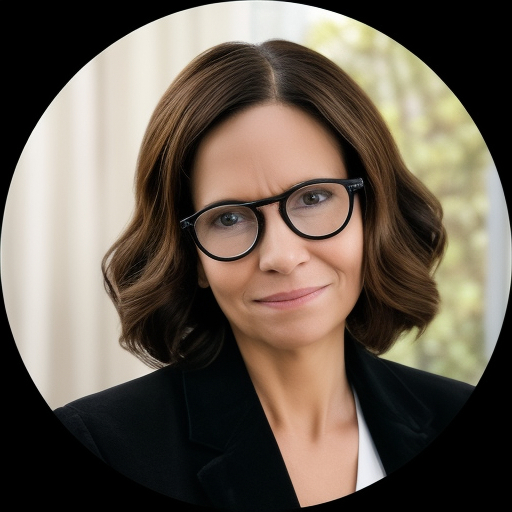
About Annlyn
Annlyn Armstrong is a licensed clinical social worker with 16 years of experience helping people manage stress, anxiety, depression, and difficult life changes. She practices in Oklahoma and focuses on down-to-earth support aimed at making daily life more manageable. Her manner is relaxed and empathetic, and she meets people where they are.
Armstrong uses practical conversation to untangle what's causing distress. She listens for patterns that sap energy or self-worth and helps people try alternatives.
Background and approach
Sessions often include skill-building so clients leave with clear steps to try between meetings. She pays attention to family of origin issues, communication problems, and the impact of caregiving or illness on mental health. She also addresses difficult themes such as abandonment, guilt, shame, and the strain of major life events.
These topics are handled with patience and straightforward guidance. Her work includes support for people facing chronic pain, cancer, divorce, hoarding, and feelings of emptiness or isolation. She helps people clarify values and set small, achievable goals toward a more purposeful life.
Motivation and self-compassion are common threads in her approach. Therapy blends methods like acceptance and commitment work, cognitive-behavioral strategies, mindfulness, and client-centered conversations. Armstrong aims to help clients build resilience through both insight and practical tools.
The focus is on making real progress in everyday life.
Therapeutic approaches and how they work online
Acceptance and Commitment Therapy helps people notice difficult thoughts and feelings without letting them control actions. It focuses on identifying personal values and taking steps that match those values. Cognitive Behavioral Therapy looks at the links between thoughts, feelings, and behaviors and teaches practical techniques to change unhelpful patterns. Mindfulness Therapy teaches simple attention and breathing skills to reduce reactivity and improve focus in daily life.Finding the right approach is a collaborative process. The therapist will work with each person to match methods to their goals, needs, and preferences. Over a few sessions she helps people test different strategies and adjust the plan so it fits day-to-day life.
Online therapy offers flexible ways to meet and use those approaches. Video calls allow more face-to-face interaction for skills training. Phone sessions can be easier when video is not possible. Live chat and text-based messaging let people check in between sessions or have shorter, more frequent contact. These options make it easier to fit therapy into a busy schedule and to practice new skills in real situations.
Questions people ask
What concerns does this therapist commonly address?
What is her general therapeutic style?
How much clinical experience does she have?
What credentials and location are listed?
Which languages are sessions offered in?
What session formats are available?
How does payment and cost work?
How do I begin working with her?
What this therapist works with
Most often
- Stress, Anxiety
- Family conflicts
- Self esteem
Also listed
- Abandonment
- Cancer
- Caregiver issues and stress
- Chronic pain, illness, and disability
- Codependency
- Communication problems
- Coping with life changes
- Coping with natural or human-caused disaster
- Depression
- Divorce and separation
- Emptiness
- Family of origin issues
- Forgiveness
- Guilt and shame
- Hoarding
- Isolation / loneliness
- Life purpose
- Midlife crisis
- Money and financial issues
- Mood disorders
- Obsessions, compulsions, and OCD
- Post-traumatic stress
- Postpartum depression
- Pregnancy and childbirth
- Seasonal Affective Disorder (SAD)
- Self-love
- Social anxiety and phobia
- Women's issues
- Workplace issues
Therapeutic approaches
- Experience
- 16 years
- Licensed
- Oklahoma
- Languages
- English
We will earn a commission if you sign up through our link, at no cost to you.