
Velma Jones, LCSW
New York · 29 yrs exp
Works with Stress, Anxiety / Relationship / Trauma and abuse +11
Works by Attachment-Based Therapy / Client-Centered Therapy
View ProfileA Licensed Clinical Social Worker (LCSW) is a mental health clinician with graduate social work education and supervised clinical experience who provides assessment, psychotherapy, and care coordination. Below you can browse verified LCSW therapists to review their specialties, clinical approaches, languages, and experience.
New York · 29 yrs exp
Works with Stress, Anxiety / Relationship / Trauma and abuse +11
Works by Attachment-Based Therapy / Client-Centered Therapy
View Profile
Louisiana · 15 yrs exp
Works with Stress, Anxiety / Relationship / Family +13
Works by Acceptance and Commitment Therapy (ACT) / Attachment-Based Therapy
View Profile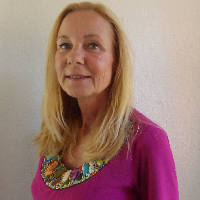
North Carolina · 30 yrs exp · 2 languages
Works with Relationship / Parenting / Anger +6
Works by Cognitive Behavioral Therapy (CBT) / Mindfulness Therapy
View Profile
Colorado · 19 yrs exp · 2 languages
Works with Stress, Anxiety / Relationship / Trauma and abuse +13
Works by Acceptance and Commitment Therapy (ACT) / Attachment-Based Therapy
View Profile
Texas · 13 yrs exp
Works with Stress, Anxiety / Relationship / Trauma and abuse +12
Works by Attachment-Based Therapy / Client-Centered Therapy
View Profile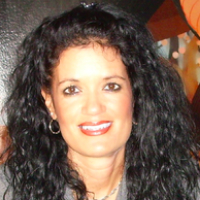
North Carolina · 21 yrs exp
Works with Stress, Anxiety / Grief / Eating +13
Works by Acceptance and Commitment Therapy (ACT) / Client-Centered Therapy
View Profile
New Jersey · 15 yrs exp
Works with Stress, Anxiety / Family / Trauma and abuse +11
Works by Cognitive Behavioral Therapy (CBT) / Psychodynamic Therapy
View Profile
New York · 24 yrs exp
Works with Stress, Anxiety / Relationship / Anger +13
Works by Client-Centered Therapy / Cognitive Behavioral Therapy (CBT)
View Profile
Oregon · 26 yrs exp
Works with Stress, Anxiety / Trauma and abuse / Grief +11
Works by Acceptance and Commitment Therapy (ACT) / Attachment-Based Therapy
View Profile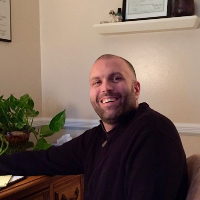
South Carolina · 14 yrs exp
Works with Stress, Anxiety / Parenting / Depression +15
Works by Client-Centered Therapy / Solution-Focused Therapy
View Profile
Illinois · 30 yrs exp
Works with Trauma and abuse / Grief / Self esteem +15
Works by Client-Centered Therapy / Cognitive Behavioral Therapy (CBT)
View Profile
New York · 25 yrs exp · 2 languages
Works with Stress, Anxiety / Addictions / Trauma and abuse +12
Works by Client-Centered Therapy / Cognitive Behavioral Therapy (CBT)
View Profile
Alaska · 26 yrs exp
Works with Stress, Anxiety
View Profile
Missouri · 16 yrs exp
Works with Stress, Anxiety / Trauma and abuse / Self esteem +13
Works by Client-Centered Therapy / Cognitive Behavioral Therapy (CBT)
View Profile
North Carolina · 10 yrs exp
Works with Stress, Anxiety / Relationship / Family +17
Works by Acceptance and Commitment Therapy (ACT) / Client-Centered Therapy
View Profile
Florida · 15 yrs exp
Works with Relationship / Family / Intimacy-related issues +5
View Profile
New York · 35 yrs exp
Works with Stress, Anxiety / Self esteem / Career +11
Works by Client-Centered Therapy / Mindfulness Therapy
View Profile
Kentucky · 10 yrs exp
Works with Stress, Anxiety / Family / Self esteem +13
Works by Acceptance and Commitment Therapy (ACT) / Client-Centered Therapy
View Profile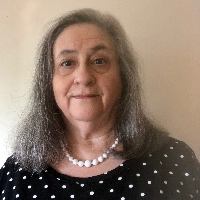
Mississippi · 23 yrs exp
Works with Stress, Anxiety / Grief / Anger +9
Works by Cognitive Behavioral Therapy (CBT) / Mindfulness Therapy
View Profile
New Jersey · 22 yrs exp
Works with Stress, Anxiety / LGBT / Relationship +11
Works by Acceptance and Commitment Therapy (ACT) / Attachment-Based Therapy
View Profile
Florida · 10 yrs exp
Works with Stress, Anxiety / Addictions / Family +9
Works by Client-Centered Therapy / Cognitive Behavioral Therapy (CBT)
View Profile
Texas · 21 yrs exp
Works with Stress, Anxiety / Relationship / Trauma and abuse +16
Works by Acceptance and Commitment Therapy (ACT) / Client-Centered Therapy
View Profile
Illinois · 12 yrs exp
Works with Stress, Anxiety / Trauma and abuse / Parenting +13
Works by Client-Centered Therapy / Cognitive Behavioral Therapy (CBT)
View Profile
Delaware · 8 yrs exp
Works with Relationship / Family / Trauma and abuse +12
View Profile
Florida · 22 yrs exp
Works with Stress, Anxiety / Self esteem / Depression +6
Works by Acceptance and Commitment Therapy (ACT) / Client-Centered Therapy
View Profile
Illinois · 25 yrs exp
Works with Stress, Anxiety / Self esteem / Career +11
Works by Client-Centered Therapy / Cognitive Behavioral Therapy (CBT)
View Profile
Florida · 30 yrs exp
Works with Stress, Anxiety / Relationship / Intimacy-related issues +9
Works by Client-Centered Therapy / Cognitive Behavioral Therapy (CBT)
View Profile
New Jersey · 8 yrs exp
Works with Stress, Anxiety / Relationship / Trauma and abuse +15
Works by Acceptance and Commitment Therapy (ACT) / Attachment-Based Therapy
View Profile
Louisiana · 14 yrs exp
Works with Stress, Anxiety / Anger / Self esteem +10
View Profile
Mississippi · 12 yrs exp
Works with Stress, Anxiety / Addictions / Anger +13
Works by Client-Centered Therapy / Cognitive Behavioral Therapy (CBT)
View Profile
Tennessee · 35 yrs exp
Works with Stress, Anxiety / Grief / Self esteem +9
Works by Acceptance and Commitment Therapy (ACT) / Client-Centered Therapy
View Profile
Virginia · 31 yrs exp
Works with Stress, Anxiety / Relationship / Family +13
Works by Attachment-Based Therapy / Client-Centered Therapy
View Profile
North Carolina · 30 yrs exp
Works with LGBT / Relationship / Family +14
Works by Acceptance and Commitment Therapy (ACT) / Attachment-Based Therapy
View Profile
Georgia · 25 yrs exp
Works with Stress, Anxiety / Parenting / Anger +16
Works by Attachment-Based Therapy / Client-Centered Therapy
View Profile
North Carolina · 30 yrs exp
Works with Stress, Anxiety / Relationship / Family +11
Works by Client-Centered Therapy / Cognitive Behavioral Therapy (CBT)
View Profile
Florida · 14 yrs exp
Works with Stress, Anxiety / Trauma and abuse / Grief +14
Works by Cognitive Behavioral Therapy (CBT) / Dialectical Behavior Therapy (DBT)
View Profile
Texas · 20 yrs exp
Works with Stress, Anxiety / Addictions / Family +16
Works by Client-Centered Therapy / Cognitive Behavioral Therapy (CBT)
View Profile
Pennsylvania · 38 yrs exp
Works with Stress, Anxiety / Grief / Depression +8
Works by Client-Centered Therapy / Cognitive Behavioral Therapy (CBT)
View Profile
Nevada · 6 yrs exp
Works with Stress, Anxiety / Depression
Works by Cognitive Behavioral Therapy (CBT) / Mindfulness Therapy
View Profile
Virginia · 47 yrs exp
Works with Stress, Anxiety / Relationship / Grief +11
Works by Acceptance and Commitment Therapy (ACT) / Client-Centered Therapy
View Profile
Florida · 25 yrs exp
Works with Stress, Anxiety / Trauma and abuse / Parenting +15
Works by Client-Centered Therapy / Cognitive Behavioral Therapy (CBT)
View Profile
Florida · 10 yrs exp
Works with Stress, Anxiety / Trauma and abuse / Grief +13
Works by Client-Centered Therapy / Cognitive Behavioral Therapy (CBT)
View Profile
Pennsylvania · 25 yrs exp
Works with Stress, Anxiety / Family / Grief +2
Works by Client-Centered Therapy / Cognitive Behavioral Therapy (CBT)
View Profile
Illinois · 20 yrs exp
Works with Stress, Anxiety / Grief / Self esteem +12
Works by Client-Centered Therapy / Cognitive Behavioral Therapy (CBT)
View Profile
Louisiana · 38 yrs exp
Works with Stress, Anxiety / Relationship / Family +2
Works by Acceptance and Commitment Therapy (ACT) / Client-Centered Therapy
View Profile
Michigan · 24 yrs exp
Works with Stress, Anxiety / Addictions / Relationship +2
Works by Client-Centered Therapy / Cognitive Behavioral Therapy (CBT)
View Profile
Delaware · 28 yrs exp · 2 languages
Works with Stress, Anxiety / Family / Self esteem +12
Works by Acceptance and Commitment Therapy (ACT) / Client-Centered Therapy
View Profile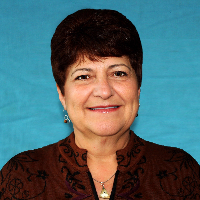
Alaska · 11 yrs exp
Works with Stress, Anxiety / Relationship / Family +10
Works by Client-Centered Therapy / Cognitive Behavioral Therapy (CBT)
View ProfileIf you are researching credentials, LCSW stands for Licensed Clinical Social Worker. The credential indicates that a clinician completed a master of social work or an equivalent graduate degree, met state-specific supervised clinical hours after graduation, and passed a licensing exam required by their state board. Licensure rules vary by state, so the route to an LCSW can differ in timeframe and exact requirements, but the common elements are graduate-level social work education, post-degree clinical supervision, and a successful licensing examination.
Beyond initial education and supervised practice, many LCSWs participate in ongoing professional development to maintain their license. This often includes continuing education credits and adherence to a social work code of ethics. When you look at a clinician who lists LCSW after their name, you are seeing a designation tied to formal schooling and regulated oversight rather than a casual title. That regulatory framework is intended to make expectations about training and practice more transparent, and it establishes a baseline for clinical work in areas such as psychotherapy, assessment, and coordination of services.
When comparing license types, you will notice different training pathways and scopes of practice. An LCSW brings a social work perspective to mental health care - this often emphasizes systems, resources, and the social context of a person’s life alongside individual therapeutic work. LCSWs are typically authorized by state boards to provide clinical assessment, diagnose and treat mental health conditions, and offer psychotherapy. They also commonly assist with care coordination, connecting clients to community resources, and advocating for needs across systems such as schools, healthcare, and social services.
Other licenses, such as those held by psychologists or professional counselors, reflect different graduate degrees and training emphases. Psychologists usually hold a doctoral degree with training in assessment and psychological testing. Professional counselors often have a master’s in counseling with a focus on talk therapy approaches. Each license brings strengths shaped by educational background and supervised practice. If you are considering a LCSW, think about whether an emphasis on social context, case management, or systems navigation is important for your needs, as these are areas where LCSWs frequently focus their work.
LCSW clinicians work across a wide range of treatment areas, and many list specialties that reflect their experience and interests. You will find LCSWs who focus on mood disorders, anxiety, trauma, grief and loss, couples and family concerns, child and adolescent issues, and life transitions. Some LCSWs work primarily with older adults or with populations facing chronic health conditions, while others specialize in perinatal mental health or caregiver stress. A social work background often informs a focus on how social, economic, and community factors affect mental health and treatment planning.
In terms of clinical approaches, LCSWs may describe a variety of methods they use in sessions. When a therapist notes approaches such as cognitive-behavioral techniques, relational models, or trauma-informed work, understand that the listing reflects what they report using in practice. If you have a preference for a certain approach, you can look for therapists who list that method among their approaches. Many LCSWs also describe experience working with diverse cultural backgrounds and may offer therapy in languages other than English, which can be an important consideration if you prefer care in your first language.
Verifying a clinician’s LCSW status is an important step in your search. State licensing boards maintain public registries where you can confirm that a license is active and see basic information such as the license number, issuance and expiration dates, and any disciplinary actions. Board websites vary by state, so if you know the clinician’s state of licensure you can search the appropriate board to confirm details. In many cases you will only need the clinician’s full name to locate their record.
In addition to state records, professional directories and clinician profiles often include license numbers and the state of licensure. If a profile lists a license number, you can use that as a reference when checking the licensing board. Keep in mind that licensure status can change, so direct verification through the state board is the most authoritative source. If you have questions about a particular credential listing on a profile, a licensing board can clarify the meaning of designations and whether any public actions are on file.
Choosing a LCSW means selecting a clinician whose training integrates clinical therapy with an awareness of social systems and available community resources. If your concerns involve navigating services, coordinating care with other professionals, or addressing life factors such as housing, employment, or family systems, a LCSW’s background may be particularly helpful. Many people value the practical orientation that social work training can bring, along with a focus on strengths and resilience in the context of everyday life.
Start by identifying the issues you want to address and any preferences you have for language, cultural background, or therapeutic approach. Use directory filters to narrow the field to therapists who list relevant specialties and the languages you prefer. Read clinician profiles to understand how they describe their focus and experience, paying attention to how they discuss their approach rather than assuming specific formal certifications. Consider reaching out to a clinician with a short message describing your goals and asking about their experience working with similar concerns. When you review profiles, compare factors such as listed approaches, populations served, and years of practice to determine who aligns with your priorities.
Finally, trust your instincts about fit. The relationship you form with a therapist is often the most important factor in whether therapy feels helpful. If possible, plan an initial conversation to get a sense of communication style, therapeutic focus, and how a clinician might work with your goals. Taking the time to match your needs with a clinician’s described specialties and approaches can increase the likelihood that you will find a helpful path forward.
As you scroll the listings on this page, use the profile details to compare clinicians by their listed specialties, approaches, languages, and years of experience. Keep a note of questions that matter to you so you can ask them directly, and verify licensing information through the appropriate state board if you want official confirmation. With a clearer sense of what matters in your care, you can focus your search and identify LCSW therapists whose practice descriptions align with your goals.
Choosing a therapist is a personal process. Whether you seek support for anxiety, relationships, life transitions, or system navigation, the LCSW credential indicates a particular educational and regulatory background that may fit your needs. Use the information provided in profiles here to learn more about each clinician and to make informed decisions about who to contact for an initial conversation.