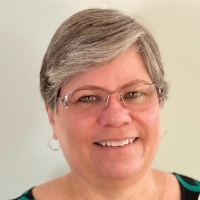
About Judith
Judith (Judy) Durdan is a licensed clinical social worker who helps people manage stress, anxiety, depression, and life transitions. She focuses on everyday struggles like sleep problems, anger, low self-esteem, grief, and panic. Judy writes in plain terms and aims to make therapy feel understandable and doable.
She uses a practical, person-focused approach. Sessions often begin by listening and identifying what matters most to the client. From there Judy and the client pick a few skills to practice between sessions.
Background and approach
She draws on mindfulness, behavior-focused tools, and goal-oriented strategies to build on each person’s strengths. Judy has 22 years of experience in both inpatient and outpatient settings. Her background includes work with people experiencing homelessness, veterans, forensic settings, and those with severe and persistent mental illness.
She also works with people who simply want space to be heard and to find steps toward feeling whole. Her style is collaborative and adaptable. Treatment plans are agreed on together and adjusted as needs change.
Judy often blends acceptance-based ideas with cognitive and mindfulness techniques while keeping the focus on what helps in daily life. Judy holds a Master of Social Work and is a Licensed Clinical Social Worker - LCSW licensed in Florida and Connecticut. She offers sessions that match each person’s pace and readiness, emphasizing practical steps and thoughtful support.
How her approaches translate to online sessions
Judith often uses Acceptance and Commitment Therapy and Cognitive Behavioral Therapy in her work. Acceptance and Commitment Therapy helps people notice difficult thoughts and feelings and move toward valued actions despite them. It can be useful for ongoing anxiety, worry, and life transitions. Cognitive Behavioral Therapy focuses on identifying unhelpful thinking and trying practical behavior changes to reduce symptoms like panic, insomnia, or low mood.Judy treats finding the right approach as a collaborative process. She will talk with each person about goals and preferences and then try methods that fit those needs. Sessions are adjusted over time based on what helps most, with regular check-ins about progress and next steps.
Online therapy offers practical advantages for people with busy lives. Video calls allow face-to-face conversation when meeting in person is hard. Phone sessions can be a simpler option when bandwidth is limited or when a check-in fits into a short break. Live chat and text-based messaging make it easier to share thoughts between sessions and to get support without scheduling a full call.
Questions people ask
What concerns does Judy commonly address?
How would you describe her therapy style?
What experience does she bring to sessions?
Where is she licensed and based?
Which languages are supported for sessions?
What session formats are available?
How are fees and subscriptions handled?
How do I begin working with Judy?
What this therapist works with
Most often
Also listed
- Anger management
- Communication problems
- Coping with life changes
- Drug and alcohol addiction
- Grief
- Guilt and shame
- Isolation / loneliness
- Money and financial issues
- Mood disorders
- Panic disorder and panic attacks
- Paranoia
- Relationship issues
- Seasonal Affective Disorder (SAD)
- Self-love
- Sleeping disorders
- Social anxiety and phobia
- Trauma and abuse
- Women's issues
Therapeutic approaches
- Experience
- 22 years
- Licensed
- Florida, Connecticut
- Languages
- English
We will earn a commission if you sign up through our link, at no cost to you.