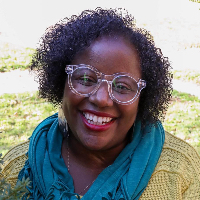
About Wanda
Wanda Olugbala is a Licensed Master Social Worker with 30 years of practice in Michigan. She focuses on people who have spent long stretches caring for others and now feel worn down. Wanda listens carefully and helps people name what’s draining them and what they want instead.
Her work is practical and down-to-earth. She mixes talk about relationships with strategies to manage thoughts and behavior. Sessions often include setting clearer boundaries and building small routines that protect energy and improve sleep and mood.
Background and approach
Wanda often helps with anxiety, stress, compassion fatigue, burnout, and grief. She also addresses parenting strain, relationship concerns, and transitions like divorce or caregiving changes. Additional areas include adoption and foster care, autism and Asperger Syndrome, and issues tied to family of origin.
Her approach draws on Acceptance and Commitment Therapy and Cognitive Behavioral Therapy alongside narrative and psychodynamic ideas. She favors solution-focused steps that people can try between sessions. The aim is to turn small changes into sustainable relief.
Wanda meets people where they are and works at a steady pace. She prioritizes creating a respectful, collaborative space. The focus is on realistic goals and workable tools that fit everyday life.
If someone is juggling work and care roles, she helps them carve out time for themselves and regain balance.
How Wanda’s approaches work online
Acceptance and Commitment Therapy, or ACT, helps people notice difficult thoughts and feelings without being ruled by them. It focuses on values and small actions that move a person toward what matters, which can be useful for anxiety and burnout. Cognitive Behavioral Therapy, or CBT, looks at how thoughts, feelings, and actions connect and teaches practical exercises to change unhelpful patterns; it often helps with worry, sleep problems, and low mood.Choosing the right approach is part of the work. Wanda will collaborate with each person to decide which methods fit their goals and preferences. That choice can shift over time as needs change, and she adapts interventions to be realistic for a person's life and schedule.
Online therapy formats include video calls, phone sessions, live chat, and text-based messaging. Video is helpful for a fuller conversation and reading nonverbal cues, while phone sessions can be easier when bandwidth is limited or for quick check-ins. Live chat and messaging are useful for shorter exchanges, tracking progress, or getting support between longer sessions. These options make it simpler to fit therapy into busy caregiving or work routines.
Questions people ask
What concerns does Wanda help with?
How would she describe her therapeutic style?
What is her background and experience?
Where is she licensed and what credential does she hold?
Which languages are sessions offered in?
What session formats are available?
How is cost handled for sessions?
What are the first steps to begin therapy?
What this therapist works with
Most often
- Family conflicts
- Grief
- Parenting issues
Also listed
- ADHD
- Adoption and foster care
- Anger management
- Autism and Asperger Syndrome
- Blended family issues
- Career difficulties
- Caregiver issues and stress
- Compassion fatigue
- Coping with life changes
- Depression
- Divorce and separation
- Eating disorders
- Family of origin issues
- Family problems
- Fertility issues
- Forgiveness
- Gender dysphoria
- Impulsivity
- Isolation / loneliness
- LGBT
- Life purpose
- Midlife crisis
- Money and financial issues
- Multicultural concerns
- Post-traumatic stress
- Postpartum depression
- Relationship issues
- Self esteem
- Self-love
- Sleeping disorders
- Social anxiety and phobia
- Stress, Anxiety
- Trauma and abuse
- Women's issues
- Workplace issues
- Young adult issues
Therapeutic approaches
- Experience
- 30 years
- Licensed
- Michigan
- Languages
- English
We will earn a commission if you sign up through our link, at no cost to you.