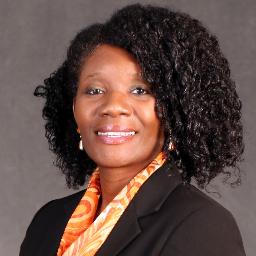
About Valerie
Dr. Valerie McGaha is a Licensed Professional Counselor (LPC) with 21 years of experience helping people manage stress, anxiety, depression, and addiction. She focuses on practical steps that make daily life feel more livable.
Her work centers on restoring energy, motivation, and connection so people can pursue their goals. Dr. McGaha pays attention to what keeps someone stuck.
She helps identify patterns tied to family of origin, attachment issues, or past loss.
Background and approach
Many sessions include simple tools for managing strong emotions and improving decision making. She has long experience supporting people working toward sobriety and coping with substance use. Work with addiction often includes building new routines, relapse prevention planning, and strengthening supports.
Trauma-related symptoms that fuel anxiety or depression are also addressed in straightforward ways. Her approach honors each person’s background, beliefs, and identity. Sessions invite honest reflection and aim to increase self-compassion.
She encourages small steps that create measurable change over time. Dr. McGaha uses evidence-informed methods to help clients find emotional balance and renewed joy.
Conversations focus on realistic goals, better communication, and practical strategies for everyday life. The aim is to move from feeling overwhelmed toward feeling more capable and engaged.
How her approaches translate to online therapy
Acceptance and Commitment Therapy, or ACT, helps people notice unhelpful thoughts and refocus on what matters most. It uses exercises to build values-driven action and reduce avoidance, which can help with anxiety and stress. Cognitive Behavioral Therapy, or CBT, looks at the link between thoughts, feelings, and actions and teaches clear techniques for changing unhelpful patterns. CBT tools are useful for anxiety, depression, and many day-to-day problems.Choosing the right approach is part of the process and is done collaboratively. The therapist will discuss goals, preferences, and what has or has not worked before. Together they will try methods that fit the client’s situation and adjust as needed based on what helps.
Online sessions are offered by video calls, phone, live chat, or text-based messaging to make therapy more flexible. Video can support face-to-face conversation and visual cues. Phone calls work well when bandwidth is limited or when someone prefers not to be on camera. Live chat and text-based messaging can be helpful for brief check-ins, skill practice, or when writing feels easier than speaking. These options make it simpler to fit therapy into a busy schedule and keep progress consistent.
Questions people ask
What concerns does she address?
What is her therapeutic style like?
How much experience does she have?
Where is she located and what credential does she hold?
Which languages are supported for sessions?
What formats are used for sessions?
How is cost handled for therapy?
How do I begin working together?
What this therapist works with
Most often
- Stress, Anxiety
- Addictions
- Relationship issues
Also listed
- Abandonment
- Antisocial personality
- Attachment issues
- Avoidant personality
- Blended family issues
- Cancer
- Communication problems
- Depression
- Domestic violence
- Drug and alcohol addiction
- Family conflicts
- Family of origin issues
- Family problems
- Forgiveness
- Guilt and shame
- HIV / AIDS
- Hoarding
- Hospice and end-of-life counseling
- Immigration issues
- Infidelity
- Jealousy
- Men's issues
- Mood disorders
- Multicultural concerns
- Paranoia
- Personality disorders
- Postpartum depression
- Prejudice and discrimination
- Process addiction (porn, exercise, gambling)
- Seasonal Affective Disorder (SAD)
- Self-harm
- Sex addiction
- Sexual assault and abuse
- Sexual dysfunction
- Veteran and Armed Forces Issues
- Women's issues
Therapeutic approaches
- Acceptance and Commitment Therapy (ACT)
- Attachment-Based Therapy
- Client-Centered Therapy
- Cognitive Behavioral Therapy (CBT)
- Dialectical Behavior Therapy (DBT)
- Emotionally-Focused Therapy (EFT)
- Existential Therapy
- Eye Movement Desensitization and Reprocessing (EMDR)
- Gottman Method
- Mindfulness Therapy
- Motivational Interviewing
- Narrative Therapy
- Psychodynamic Therapy
- Solution-Focused Therapy
- Somatic Therapy
- Trauma-Focused Therapy
- Experience
- 21 years
- Licensed
- Oklahoma
- Languages
- English
We will earn a commission if you sign up through our link, at no cost to you.