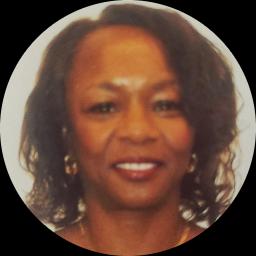
About Valenta
Dr. Valenta Ward-Gravely is an Ohio licensed professional clinical counselor (LPCC) with 20 years of experience helping people manage anxiety, stress, addiction, grief, and relationship struggles. She focuses on practical steps that reduce daily strain and improve coping.
Her style is warm and direct, aimed at making therapy feel straightforward and useful. Her sessions emphasize listening first and then building simple, achievable goals. She uses techniques to calm anxious thinking, shift unhelpful habits, and strengthen communication.
Background and approach
Many people come for help with sleep, eating concerns, self-esteem, or major life changes, and she frames work around those real problems. Dr. Ward-Gravely pays attention to cultural background and identity in planning care.
She supports LGBT concerns and multicultural issues, and she has experience with adoption and foster care topics, aging and geriatric issues, and people who are neurodivergent. She helps people who face prejudice, discrimination, or compassion fatigue as part of the picture. Her toolkit draws from client-centered work, cognitive behavioral techniques, mindfulness, motivational interviewing, and solution-focused strategies.
That mix lets her tailor sessions to the problem at hand and the person in front of her. She explains steps clearly so people know what to expect. People find practical skills for coping with ADHD, obsessions and compulsions, process addictions, or substance concerns.
She also supports those dealing with trauma, attachment concerns, domestic violence effects, and communication problems. Sessions aim to leave people with usable tools and clearer next steps.
Approach and online therapy options
Dr. Ward-Gravely often combines client-centered work and cognitive behavioral therapy to address common problems. Client-centered Therapy emphasizes listening and creating a nonjudgmental space so people can explore their feelings and goals. Cognitive Behavioral Therapy focuses on identifying unhelpful thoughts and changing behaviors to reduce symptoms like anxiety and low mood.She also uses mindfulness techniques to help people manage stress and stay present during difficult moments. Mindfulness can be especially useful for anxiety, sleep problems, and coping with cravings or urges. Deciding which approach to use is collaborative - the therapist will work with each person to match methods to their needs, goals, and preferences rather than imposing a single style.
Online formats include video calls, phone sessions, live chat, and text-based messaging. Video sessions are good for deeper work that benefits from face-to-face interaction, while phone work can fit a shorter break or be easier on low bandwidth. Live chat or messaging is useful for quick check-ins, coaching-style support, or when someone prefers typed communication. These options make therapy more flexible and easier to fit into busy lives.
Questions people ask
What kinds of problems does this therapist help with?
How would you describe the therapeutic style?
What is the therapist's background and experience?
Where is the therapist based and what credentials are held?
Are sessions available in other languages or internationally?
What session formats are offered for therapy?
How is cost handled for sessions?
How do I begin working with this therapist?
What this therapist works with
Most often
- Stress, Anxiety
- Addictions
- Relationship issues
Also listed
- ADHD
- Adoption and foster care
- Aging and geriatric issues
- Anger management
- Attachment issues
- Autism and Asperger Syndrome
- Career difficulties
- Coaching
- Communication problems
- Compassion fatigue
- Coping with life changes
- Depression
- Domestic violence
- Drug and alcohol addiction
- Eating disorders
- Family conflicts
- Family problems
- Grief
- Hearing impaired
- Intellectual disability
- Intimacy-related issues
- Jealousy
- LGBT
- Multicultural concerns
- Obsessions, compulsions, and OCD
- Parenting issues
- Prejudice and discrimination
- Process addiction (porn, exercise, gambling)
- Seasonal Affective Disorder (SAD)
- Self esteem
- Sleeping disorders
- Trauma and abuse
- Traumatic brain injury
- Women's issues
- Young adult issues
Therapeutic approaches
- Experience
- 20 years
- Licensed
- Ohio
- Languages
- English
We will earn a commission if you sign up through our link, at no cost to you.