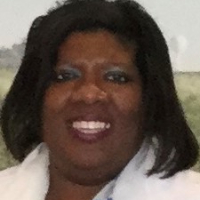
About Treva
Treva Ross-Sanders is a Licensed Professional Counselor who helps people manage stress and anxiety. She also supports adults facing depression, trauma, addiction, grief, relationship concerns, parenting strain, and career transitions. Her style is warm and accepting, with an emphasis on practical steps and steady support.
She brings 25 years of counseling and case management experience in Arkansas. That work includes helping people with dual diagnosis, mood disorders, impulsivity, and complicated grief.
Background and approach
Her background includes rehabilitation counseling and many years working with adults and family-related issues. Sessions focus on identifying patterns, naming thoughts and feelings, and practicing new skills. She uses client-centered listening so people feel heard before moving into change work.
Cognitive Behavioral Therapy techniques are used to challenge unhelpful thinking and build coping tools. Trauma-focused methods are part of the approach when past events keep affecting day-to-day life. Solution-focused strategies help set clear, achievable goals for short-term progress.
The therapist works collaboratively to tailor each plan to the person’s needs. Treva encourages a paced journey of self-reflection and skill building rather than quick fixes. She helps clients move from feeling stuck to having practical ways to manage emotions and behaviors.
Many people find the mix of listening, skill practice, and goal work useful for lasting change.
Therapeutic approaches and online care
Treva commonly uses Client-Centered Therapy to create a supportive space where people feel listened to and respected. That approach focuses on understanding a person’s experience and helping them find their own path forward. Cognitive Behavioral Therapy, or CBT, is used to spot unhelpful thinking and practice specific coping skills for anxiety, mood challenges, and stress.Choosing the right approach happens together. The therapist will talk with the person about goals, preferences, and how symptoms show up. From there she recommends techniques and adjusts the plan as progress is made, keeping the work collaborative and practical.
Online sessions are offered as video calls, phone sessions, live chat, or text-based messaging to fit different needs. Video calls let people use face-to-face interaction when helpful, while phone sessions can work better when bandwidth is limited. Live chat and text-based messaging are useful for brief check-ins, homework support, or when someone prefers a written format. These options make it easier to fit therapy around work, childcare, or travel while keeping the focus on skill practice and steady progress.
Questions people ask
What concerns does she address?
How would you describe her therapeutic style?
What experience does she bring to therapy?
What are her credentials and where is she based?
Which languages are sessions offered in?
What session formats are available?
How much do sessions cost?
How do I start working with her?
What this therapist works with
Most often
- Stress, Anxiety
- Family conflicts
- Trauma and abuse
Also listed
- Abandonment
- Addictions
- ADHD
- Adoption and foster care
- Anger management
- Attachment issues
- Bipolar disorder
- Career difficulties
- Co-morbidity
- Coaching
- Codependency
- Commitment issues
- Communication problems
- Compassion fatigue
- Control issues
- Coping with life changes
- Depression
- Disruptive Mood Dysregulation Disorder (DMDD)
- Domestic violence
- Family problems
- Grief
- Guilt and shame
- Impulsivity
- Intimacy-related issues
- Isolation / loneliness
- Mood disorders
- Parenting issues
- Personality disorders
- Post-traumatic stress
- Postpartum depression
- Prejudice and discrimination
- Relationship issues
- Self esteem
- Women's issues
- Workplace issues
Therapeutic approaches
- Experience
- 25 years
- Licensed
- Arkansas
- Languages
- English
We will earn a commission if you sign up through our link, at no cost to you.