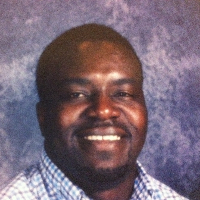
About Timothy
Timothy Pittman is a Licensed Clinical Mental Health Counselor (LCMHC) with two decades of experience in mental health and substance use work. He focuses on practical ways to reduce stress and anxiety and to manage mood and addiction concerns. Timothy uses straightforward talk, listening, and goal-setting to help people who are feeling overwhelmed or stuck.
He works with adults and adolescents to identify patterns that keep problems going. Sessions often include conversations about past experiences and current behaviors.
Background and approach
Timothy helps people spot unhelpful thoughts and try small behavior changes that make daily life easier. His methods draw from client-centered care and solution-focused techniques. That means he centers the person’s goals and looks for concrete steps that can be tried between sessions.
He also uses cognitive behavioral ideas to challenge negative thinking and motivational interviewing to support change when substance use or habits get in the way. Timothy has experience with many concerns including depression, bipolar symptoms, addictions, trauma, grief, sleep problems, relationship and intimacy issues, parenting stress, anger, and ADHD.
He also addresses related areas such as adoption and foster care, attachment, and multicultural issues. Sessions are offered in English and he practices from North Carolina. His approach is direct and practical, aimed at helping people build better coping, clearer communication, and more stable routines.
Approach-driven online counseling that fits your life
Timothy uses client-centered therapy and cognitive behavioral therapy as core ways to work online. Client-centered therapy focuses on listening, empathy, and building trust so the person sets the goals and pace. Cognitive behavioral therapy looks at how thoughts affect feelings and behavior and teaches concrete skills to change those patterns.Finding the right approach is a collaborative process. He will talk with each person about goals, preferences, and what has or hasn’t worked before, then suggest methods to try together. Progress is checked and methods are adjusted based on what helps most for the concerns at hand.
Online sessions are offered by video calls, phone, live chat, or text-based messaging to match different needs. Video is useful for deeper conversation and visual cues. Phone can work when bandwidth is limited or a shorter check-in is needed. Live chat and text messaging are helpful for quick updates, coaching-style check-ins, or when writing feels easier than speaking. These options make it simpler to fit therapy into work, school, or busy family schedules.
Questions people ask
What kinds of problems does he address?
What is his therapy style like?
How long has he practiced in this field?
Where is he licensed and based?
Which languages are offered for sessions?
Can people outside the United States work with him?
What formats are available for sessions?
How are costs and starting arranged?
What this therapist works with
Most often
Also listed
- ADHD
- Adoption and foster care
- Anger management
- Attachment issues
- Bipolar disorder
- Career difficulties
- Coaching
- Communication problems
- Coping with life changes
- Depression
- Divorce and separation
- Domestic violence
- Drug and alcohol addiction
- Family conflicts
- Family problems
- Grief
- Guilt and shame
- HIV / AIDS
- Infidelity
- Intellectual disability
- Intimacy-related issues
- Men's issues
- Multicultural concerns
- Obsessions, compulsions, and OCD
- Parenting issues
- Personality disorders
- Phobias
- Relationship issues
- Self esteem
- Sleeping disorders
- Social anxiety and phobia
- Trauma and abuse
- Young adult issues
Therapeutic approaches
- Experience
- 20 years
- Licensed
- North Carolina
- Languages
- English
We will earn a commission if you sign up through our link, at no cost to you.