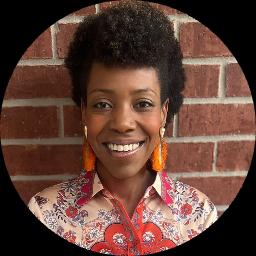
About StaceyAnne
StaceyAnne Charles-Polycarpe is a licensed clinical social worker in Texas with ten years of experience helping people manage stress and anxiety. She focuses on practical skills that make daily life more manageable and relationships easier to navigate. StaceyAnne aims to help people build emotional strength and clearer self-understanding.
She uses a straightforward, warm approach in sessions. Conversations center on improving communication, growing self-compassion, and recognizing attachment patterns that shape reactions.
Background and approach
Sessions often include learning coping strategies and simple tools to reduce overwhelm. Her background includes work with people facing mood concerns, relationship changes, parenting stress, and work-related burnout. StaceyAnne also supports those dealing with trauma and abuse, identity questions including LGBT concerns, and challenges tied to adoption, caregiving, or family of origin issues.
Therapy blends several evidence-informed methods to match a person's needs. That mix can include mindfulness practices to calm the mind, cognitive strategies to shift unhelpful thinking, and skills for tolerating strong emotions. The focus is on small changes that add up to steadier functioning.
StaceyAnne offers a collaborative atmosphere where people set goals together and track progress over time. She emphasizes respect and cultural responsiveness while helping clients explore life transitions, grief, and decisions about work or relationships.
Approaches that translate well to online care
Acceptance and Commitment Therapy helps people notice unhelpful thoughts and choose actions that match their values. It often includes short exercises and values-based goals that work well across formats. Cognitive Behavioral Therapy focuses on identifying and changing thinking patterns and behaviors that increase anxiety or low mood, using practical homework and step-by-step skill building.Finding the right approach is part of the process. The therapist collaborates with each person to decide which methods fit their goals, preferences, and daily life. That shared decision-making helps shape sessions and the types of exercises used between meetings.
Online sessions are offered by video calls, phone sessions, live chat, or text-based messaging to provide flexibility. Video lets people use visual cues and role-play skills, phone calls can be a simpler option when bandwidth is limited, live chat is useful for brief check-ins, and messaging supports ongoing reflection and reminders. These formats make it easier to fit therapy into work, caregiving, or school schedules while using the same therapeutic approaches you would get in person.
Questions people ask
What concerns does she commonly help address?
What is her general therapeutic style?
What experience does she bring to therapy?
Where is she licensed and based?
Which languages are supported for sessions?
What session formats are available?
How does billing and cost work?
How do I begin working with her?
What this therapist works with
Most often
- Stress, Anxiety
- Relationship issues
- Family conflicts
Also listed
- Abandonment
- ADHD
- Adoption and foster care
- Aging and geriatric issues
- Attachment issues
- Bipolar disorder
- Blended family issues
- Career difficulties
- Caregiver issues and stress
- Codependency
- Communication problems
- Compassion fatigue
- Control issues
- Coping with life changes
- Dependent personality
- Depression
- Divorce and separation
- Domestic violence
- Family of origin issues
- Family problems
- Forgiveness
- Jealousy
- LGBT
- Mood disorders
- Multicultural concerns
- Parenting issues
- Postpartum depression
- Pregnancy and childbirth
- Self esteem
- Self-love
- Trauma and abuse
- Women's issues
- Young adult issues
Therapeutic approaches
- Experience
- 10 years
- Licensed
- Florida, Texas
- Languages
- English
We will earn a commission if you sign up through our link, at no cost to you.