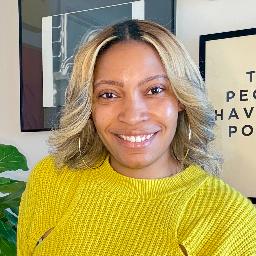
About Sonni
Sonni Parks (Williams) is a licensed professional counselor who helps people facing stress, anxiety, relationship struggles, grief, and self-esteem concerns. She offers straightforward guidance that aims to help clients find their voice and change the stories that shape daily life. Her approach centers on helping people separate themselves from problems.
She uses narrative ideas and bibliotherapy to help people see damaging stories they may have adopted. Then she works with them to rewrite those stories in ways that feel more true and useful.
Background and approach
Sessions are conversational and focused on practical change. Sonni mixes techniques from Acceptance and Commitment Therapy, Cognitive Behavioral Therapy, Dialectical Behavior Therapy, and client-centered methods. She also draws on the Gottman Method for relationship work when relevant.
She brings six years of clinical experience as an LPC in South Carolina. Sonni often helps people manage life shifts like postpartum changes, loss, or major transitions. She also addresses concerns such as trauma, bipolar symptoms, and ongoing stressors related to money or control issues.
Clients can expect a collaborative style with clear goals and tools to practice between sessions. The work often includes skill building, rewriting unhelpful narratives, and practicing different ways of responding to difficult emotions. Sonni aims to help people move toward a life they want to live.
How therapeutic approaches translate to online care
Acceptance and Commitment Therapy (ACT) helps people clarify what matters most and take small steps toward those values, even when painful feelings are present. It can be useful for anxiety, stress, and life changes because it teaches ways to act that align with personal goals. Cognitive Behavioral Therapy (CBT) focuses on identifying and changing unhelpful thoughts and behaviors. CBT gives concrete tools and practice exercises that target anxiety, depression, and coping skills.Finding the right approach often happens together. The therapist will discuss values, symptoms, and daily routines to decide which methods fit best. That process is collaborative and can shift over time as goals change and new needs appear.
Online sessions are offered via video calls, phone sessions, live chat, or text-based messaging to fit different schedules and needs. Video calls work well for face-to-face conversation and relationship work. Phone sessions can be a good option when bandwidth is limited or a quick check-in is needed. Live chat and text messaging are useful for short updates, homework support, or when someone prefers typing instead of speaking. These options make regular care more flexible and easier to fit into a busy life.
Questions people ask
What concerns does she help with?
What is her general therapy style?
How much clinical experience does she have?
Where is she licensed and based?
Which languages are available for sessions?
What session formats are offered?
How are costs handled?
How do I begin working with her?
What this therapist works with
Most often
- Stress, Anxiety
- Relationship issues
- Grief
Also listed
- Bipolar disorder
- Blended family issues
- Codependency
- Communication problems
- Control issues
- Coping with life changes
- Depression
- Domestic violence
- Family conflicts
- Forgiveness
- Jealousy
- LGBT
- Life purpose
- Money and financial issues
- Personality disorders
- Polyamory / non-monogamous relationships
- Post-traumatic stress
- Postpartum depression
- Pregnancy and childbirth
- Self esteem
- Self-harm
- Self-love
- Sexuality
- Trauma and abuse
- Women's issues
- Workplace issues
- Young adult issues
Therapeutic approaches
- Experience
- 6 years
- Licensed
- South Carolina
- Languages
- English
We will earn a commission if you sign up through our link, at no cost to you.