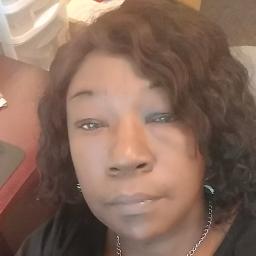
About Shirley
Shirley Southard is a Licensed Clinical Mental Health Counselor with 20 years in human services. She helps people manage stress, anxiety, addiction, anger, depression, ADHD, relationship and parenting concerns. Shirley focuses on practical steps people can use right away to feel steadier and more hopeful.
Her style is warm and nonjudgmental. Shirley listens first and then offers straightforward tools. Sessions often include education about symptoms and simple skills to change unhelpful habits.
Background and approach
Shirley draws on cognitive behavioral techniques to identify thinking patterns that feed anxiety and low mood. She also uses motivational interviewing to help people find their own reasons for change. Mindfulness and elements of dialectical behavior approaches are added when people need emotional regulation and stress management skills.
Her background includes work with mental health, developmental disability, and substance use populations. She has experience supporting people through grief, divorce and single parenting, and she has worked with active military members. That range informs a practical, real-world approach to common life challenges.
Sessions are focused on concrete strategies - breaking big problems into small steps, practicing new skills between meetings, and tracking what helps. Shirley aims to help people build routines that reduce overwhelm and improve daily functioning. The overall goal is clearer choices and more hope for the future.
How these therapies work online and help with anxiety
Client-centered therapy focuses on listening and building trust so people feel understood. It helps when someone needs a calm space to talk through worries and figure out what matters most to them. Cognitive behavioral therapy, or CBT, looks at how thoughts, feelings, and behaviors interact. It breaks problems into specific patterns and teaches practical skills to reduce anxiety, manage mood, and change unhelpful habits. Dialectical behavior therapy techniques teach emotional regulation, distress tolerance, and better interpersonal skills. These skills are useful when emotions feel overwhelming or when someone wants tools to stay steady during crises. Choosing the right approach is collaborative. The therapist will talk with each person about goals, try tools, and adjust methods based on what helps. That process gives people a say in their care and keeps work focused on real-life results. Online therapy offers several practical benefits. Video calls let people work face-to-face without travel. Phone sessions can be easier when bandwidth is limited or a quick conversation fits a break at work. Live chat and text-based messaging make it simple to check in, share short updates, or get support between longer sessions. These options make therapy more flexible and easier to fit into a busy life.Questions people ask
What concerns does Shirley address?
How would you describe her therapy style?
What experience does she bring?
What are her credentials and where is she based?
Can I work with her if I live outside the United States?
Which session formats are used?
How is cost handled?
What steps do I take to begin?
What this therapist works with
Most often
- Stress, Anxiety
- Addictions
- Anger management
Also listed
- ADHD
- Aging and geriatric issues
- Antisocial personality
- Communication problems
- Control issues
- Coping with life changes
- Depression
- Domestic violence
- Drug and alcohol addiction
- Family conflicts
- Forgiveness
- Grief
- Guilt and shame
- Impulsivity
- Isolation / loneliness
- Jealousy
- Panic disorder and panic attacks
- Parenting issues
- Post-traumatic stress
- Relationship issues
- Self-harm
- Self-love
- Social anxiety and phobia
- Trauma and abuse
- Veteran and Armed Forces Issues
- Women's issues
Therapeutic approaches
- Experience
- 20 years
- Licensed
- North Carolina
- Languages
- English
We will earn a commission if you sign up through our link, at no cost to you.