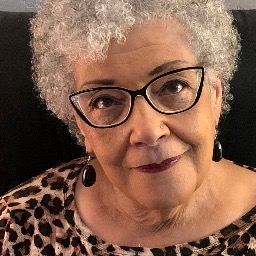
About Sharon
Sharon Calhoun is a licensed master social worker with 35 years of experience in Michigan. She focuses on helping people who are dealing with stress, anxiety, depression, addictions, trauma, anger, and relationship struggles. Sharon takes a steady, compassionate approach and keeps sessions straightforward and goal-oriented.
Sharon draws on approaches like attachment work and cognitive behavioral strategies to help people understand patterns that keep them stuck. She also uses motivational interviewing and solution-focused techniques to set clear goals and find practical steps forward.
Background and approach
These methods are used to address problems such as low self-esteem, communication issues, and substance use. In sessions Sharon listens for what matters most to each person and then builds simple plans to try between meetings. She helps clients spot unhelpful thinking, rehearse new ways of relating, and take manageable steps toward change.
Work can include talking through past hurts and building skills for handling difficult feelings. Her background includes long experience with issues tied to family of origin, attachment concerns, blended family and fatherhood challenges, and aging or geriatric matters. Sharon also works with people coping with domestic violence histories, divorce and separation, and codependency patterns.
Clients who choose Sharon will find a direct but warm style. She partners with people to set goals, try solutions, and adjust the plan when needed. Sessions are practical, focused on steady progress, and respectful of each person’s pace.
How therapeutic approaches work online
Attachment-Based Therapy focuses on how early relationships shape current patterns. It helps people notice connection needs and try new ways of relating to reduce anxiety and improve relationships. Cognitive Behavioral Therapy, or CBT, looks at thoughts and behaviors that keep stress and low mood going. It teaches practical skills for changing thinking and building new routines that lower anxiety and depressive symptoms. Finding the right approach is part of the work. Sharon will talk with each person about their goals and preferences and recommend approaches that fit. This is a collaborative process and plans are adjusted as progress is made. Online sessions use video calls, phone sessions, live chat, or text-based messaging so people can choose what fits their life. Video works well for face-to-face conversation and skill practice. Phone can be simpler when bandwidth or camera use is an issue. Live chat or text messaging can support quick check-ins, shorter sessions, or ongoing reflections between meetings. These options make it easier to fit therapy around work, care duties, and busy schedules.Questions people ask
What concerns does Sharon commonly address?
What is Sharon's approach to therapy?
How much clinical experience does she have?
What are her credentials and where is she based?
Which languages are sessions offered in?
What session formats are available?
How is cost handled for sessions?
How do I begin working with Sharon?
What this therapist works with
Also listed
- Abandonment
- Aging and geriatric issues
- Anger management
- Attachment issues
- Blended family issues
- Codependency
- Communication problems
- Control issues
- Dependent personality
- Depression
- Divorce and separation
- Domestic violence
- Drug and alcohol addiction
- Emptiness
- Family of origin issues
- Family problems
- Fatherhood issues
- Forgiveness
- Guilt and shame
- Infidelity
- Isolation / loneliness
- Life purpose
- Midlife crisis
- Mood disorders
- Panic disorder and panic attacks
- Post-traumatic stress
- Postpartum depression
- Relationship issues
- Seasonal Affective Disorder (SAD)
- Self esteem
- Self-love
- Sex addiction
- Social anxiety and phobia
- Trichotillomania
- Women's issues
- Workplace issues
- Young adult issues
Therapeutic approaches
- Experience
- 35 years
- Licensed
- Michigan
- Languages
- English
We will earn a commission if you sign up through our link, at no cost to you.