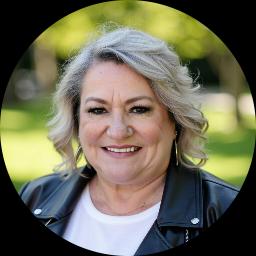
About Sarah
Sarah Rodriguez is a Licensed Professional Counselor (LPC) based in Texas who focuses on stress, anxiety, trauma and abuse, grief, and depression. She brings 19 years of experience in counseling and case management to her work. Sarah aims to help people move toward more manageable days and clearer coping skills.
She uses straightforward, practical strategies in sessions. That can mean short-term problem solving for a specific worry or longer work on deeper life patterns.
Background and approach
Sarah listens first and then helps shape steps that feel realistic for each person. Her background includes a Bachelor of Arts in Psychology from Texas Tech University and a Master of Arts in Community Counseling from Webster University. Those years in training and practice gave her experience with trauma, sexual abuse, and domestic violence concerns across genders.
Sarah blends different therapy approaches to match what someone needs. She draws on cognitive-behavioral tools to change unhelpful thinking, acceptance-based methods to manage painful feelings, and client-centered listening to help people feel heard. She also uses emotion-focused and skills-based techniques when they fit.
Sessions are practical and down-to-earth. Sarah invites people to share their story and then works with them to build coping skills, communication tools, and clearer goals. Her style aims to make change feel possible and manageable over time.
Therapeutic approaches for online care
Sarah commonly uses Acceptance and Commitment Therapy (ACT) and Cognitive Behavioral Therapy (CBT) in her online practice. ACT focuses on helping people accept difficult feelings while committing to actions that align with their values, which can be useful for anxiety and grief. CBT targets unhelpful thought patterns and teaches practical skills to reduce symptoms of anxiety and depression.Finding the right approach is a collaborative process. The therapist will talk with each person about their goals, preferences, and what feels manageable, and then suggest approaches to try together. Adjustments are made over time so the work stays relevant to real-life needs.
Online formats include video calls, phone sessions, live chat, and text-based messaging. Video calls are helpful for a full conversation and seeing nonverbal cues. Phone sessions can be simpler when bandwidth is limited or when a quick check-in fits a lunch break. Live chat and messaging allow shorter, more frequent contact for skill practice and brief support. These options make it easier to fit therapy into busy schedules and to keep consistent progress over time.
Questions people ask
What concerns does she address?
What is her general approach in sessions?
How much experience does she have?
What are her credentials and where is she located?
Which languages are supported for sessions?
What session formats are offered?
How are fees and payments handled?
How do I begin working with her?
What this therapist works with
Most often
Also listed
- Aging and geriatric issues
- Anger management
- Blended family issues
- Caregiver issues and stress
- Codependency
- Commitment issues
- Communication problems
- Control issues
- Coping with life changes
- Depression
- Divorce and separation
- Domestic violence
- Emptiness
- Family conflicts
- Family problems
- Fatherhood issues
- First responder issues
- Forgiveness
- Guilt and shame
- Hoarding
- Hospice and end-of-life counseling
- Impulsivity
- Infidelity
- Intimacy-related issues
- Jealousy
- Life purpose
- Men's issues
- Midlife crisis
- Mood disorders
- Narcissism
- Parenting issues
- Personality disorders
- Post-traumatic stress
- Relationship issues
- Self esteem
- Self-love
- Sexual assault and abuse
- Veteran and Armed Forces Issues
- Women's issues
- Workplace issues
- Young adult issues
Therapeutic approaches
- Experience
- 19 years
- Licensed
- Texas
- Languages
- English
We will earn a commission if you sign up through our link, at no cost to you.