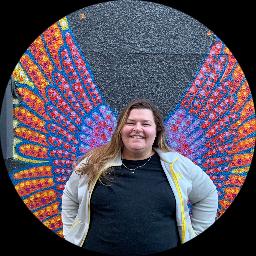
About Sara
Sara Robbins is a Licensed Clinical Social Worker (LCSW) based in Colorado. She brings five years of clinical experience and focuses on helping people manage anxiety, stress, depression, and trauma-related concerns. She has worked across outpatient and inpatient settings and has experience with military and veteran issues.
That background informs how she helps people who feel overwhelmed, disconnected, or stuck after difficult events. In sessions she takes a straightforward, collaborative approach.
Background and approach
She asks about what matters most to the client and then builds practical tools together. Sessions often include skills for managing panic, techniques to reduce day-to-day anxiety, and ways to rebuild self-worth. Sara uses several evidence-based methods such as cognitive behavioral techniques, dialectical behavior ideas, and EMDR when appropriate.
She also draws on motivational interviewing and narrative therapy to help people change patterns and reframe difficult memories. She aims to create a respectful, culturally aware space where clients set goals and move at their own pace. Work might include short-term coping strategies, longer-term processing of trauma, or a mix of both depending on the person.
For people juggling busy lives, she offers different online formats like video, phone, chat, and text. Starting therapy begins with a short matching questionnaire and a plan that fits the client’s schedule.
How therapeutic approaches translate to online care
CBT, or cognitive behavioral therapy, focuses on identifying unhelpful thoughts and testing them with practical exercises to reduce anxiety and improve mood. It often involves short, actionable tasks to try between sessions that suit video or text check-ins.EMDR, or eye movement desensitization and reprocessing, helps people process traumatic memories by pairing guided attention with targeted recall. In online sessions this work is paced carefully and combined with grounding skills to manage intense emotions.
Finding the right approach is a collaborative process. The therapist will discuss goals, preferences, and what has or hasn’t helped before. Together they decide whether a skills-focused plan, trauma-processing work, or a mix of methods fits best.
Online formats include video calls, phone sessions, live chat, and text messaging to make therapy more flexible. Video lets the therapist and client talk face to face, phone can be easier when bandwidth is limited, chat works for shorter check-ins, and text messaging supports ongoing reflection between meetings. These options help people fit sessions into work, family duties, or times when leaving home is difficult.
Questions people ask
What concerns does Sara commonly address?
What is her therapy style like?
What experience does she bring?
What credentials and location are listed?
Which languages are supported and can she work internationally?
What session formats are available?
How are fees handled?
How do I begin therapy with her?
What this therapist works with
Most often
Also listed
- Abandonment
- Attachment issues
- Control issues
- Depression
- Dissociation
- Emptiness
- Forgiveness
- Guilt and shame
- Isolation / loneliness
- Panic disorder and panic attacks
- Post-traumatic stress
- Prejudice and discrimination
- Self esteem
- Self-love
- Sexual assault and abuse
- Sexuality
- Social anxiety and phobia
- Veteran and Armed Forces Issues
- Women's issues
Therapeutic approaches
- Experience
- 5 years
- Licensed
- Colorado
- Languages
- English
We will earn a commission if you sign up through our link, at no cost to you.