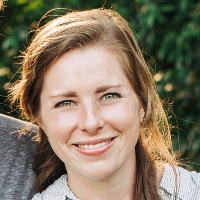
About Sara
Sara Cooley is a licensed clinical social worker who helps people manage stress, anxiety, grief, and major life changes. She works with adults to address depression, trauma, panic attacks, and relationship or family concerns. Her approach is warm and straightforward, focused on practical steps people can use between sessions.
She uses tools from cognitive behavioral therapy to notice and change unhelpful thinking patterns. Acceptance and Commitment Therapy helps clients clarify values and take small actions toward them.
Background and approach
Dialectical behavior therapy skills are offered when strong emotions or intense reactions make daily life hard. Sara keeps sessions centered on what each person needs right now. She listens for patterns that cause pain, then helps build new routines and coping skills.
Work often includes short practices, communication tools, and experiments to test new ways of responding. With five years of clinical experience, she brings both evidence-informed methods and a human touch. She aims to reduce shame, improve self-esteem, and help people reconnect with what matters.
Her Colorado license is LCSW and she provides services in English. Online work can include video calls, phone sessions, live chat, or text-based messaging. International clients are accepted.
To begin, people complete a brief matching questionnaire and schedule a time that fits their life.
Approaches that translate well to online therapy
Sara draws on cognitive behavioral therapy to help people notice unhelpful thoughts and try new behaviors. CBT focuses on practical exercises that can be done between appointments to reduce anxiety and improve mood.She also uses Acceptance and Commitment Therapy, which emphasizes clarifying values and taking small committed actions. ACT helps when avoidance or worry gets in the way of living the life someone wants.
Finding the right approach is part of the work. Sara will collaborate with each person to pick methods that fit their goals, needs, and daily routine. That means adjusting tools and homework so they work well in an online format.
Online sessions are offered by video call, phone, live chat, or text-based messaging to increase flexibility. Video calls allow face-to-face interaction and screen-sharing for worksheets. Phone sessions can be a lower-bandwidth option, while live chat or text-based messaging can work for brief check-ins or people who prefer typing. These options help people fit therapy into their schedules and life commitments.
Questions people ask
What concerns does she address?
What is her therapeutic style?
How much clinical experience does she have?
Where is she licensed and based?
Can international clients work with her?
What session formats are available?
How does billing and cost work?
How do I begin working with her?
What this therapist works with
Most often
Also listed
- Abandonment
- Addictions
- ADHD
- Anger management
- Attachment issues
- Bipolar disorder
- Body image
- Career difficulties
- Codependency
- Communication problems
- Compassion fatigue
- Coping with life changes
- Depression
- Eating disorders
- Family conflicts
- Family of origin issues
- Family problems
- Forgiveness
- Guilt and shame
- Intimacy-related issues
- Isolation / loneliness
- Jealousy
- LGBT
- Life purpose
- Mood disorders
- Panic disorder and panic attacks
- Parenting issues
- Personality disorders
- Post-traumatic stress
- Relationship issues
- Seasonal Affective Disorder (SAD)
- Self esteem
- Self-love
- Sleeping disorders
- Social anxiety and phobia
- Women's issues
- Young adult issues
Therapeutic approaches
- Experience
- 5 years
- Licensed
- Colorado, Texas
- Languages
- English
We will earn a commission if you sign up through our link, at no cost to you.