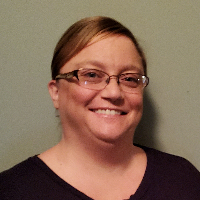
About Rochelle
Rochelle Rheingans is a Licensed Professional Clinical Counselor (LPCC) and a Licensed Mental Health Counselor (LMHC) practicing in Minnesota. She has 13 years of clinical experience and focuses on concerns such as anxiety, stress, depression, relationship strain, and coping with life changes. Rochelle aims to meet people where they are and help them find practical ways to feel steadier.
Rochelle adapts her style to each person she meets. Sessions can include skill building, gentle use of humor, and ways to practice self-compassion.
Background and approach
She pays attention to how life circumstances and personal strengths connect, rather than separating problems from the person facing them. Her work draws on client-centered ideas and cognitive behavioral approaches to identify patterns that keep problems going. Dialectical behavior therapy skills and mindfulness practices are added when people need tools to manage strong emotions.
Motivational interviewing and solution-focused ideas are used to help people find momentum and set small, useful goals. People often come for help with trauma, grief, parenting stress, sleep problems, anger, attention differences, or issues tied to family of origin and attachment. Rochelle also supports people working through separation, blended family challenges, caregiving strain, and forgiveness work.
She aims to help people translate insight into day-to-day changes. Rochelle describes herself as an advocate and cheerleader for clients as they try new ways of coping. Her sessions are collaborative and goal-oriented, focused on what will make daily life easier.
She encourages practical steps that build on each person’s strengths.
Approaches that translate well to online care
Client-centered therapy focuses on listening, empathy, and building a collaborative relationship. In online sessions this looks like helping people name what matters to them and setting goals that fit their life. Cognitive behavioral therapy, or CBT, examines thoughts and behaviors that keep stress and anxiety alive and offers concrete tasks to try between sessions to shift routines and reactions. Dialectical behavior therapy, or DBT, teaches practical emotion-regulation and distress-tolerance skills that many people practice in short, focused exercises outside of session.Deciding which approach to use is a shared process. The therapist will talk with each person about their needs, goals, and preferences and then try methods that match those priorities. Treatment plans are adjusted over time based on what helps most, so clients and the therapist make decisions together.
Online formats offer flexible ways to work. Video calls allow face-to-face interaction for skill teaching and deeper conversation. Phone sessions can be a good option when bandwidth is limited or a camera is not convenient. Live chat and text-based messaging support brief check-ins, skill coaching between sessions, and ongoing connection without a full session each time. These options can make it easier to fit therapy into a busy life and to practice skills where they are needed.
Questions people ask
What kinds of problems does Rochelle address?
How would you describe her therapeutic style?
What is her professional background?
What credentials and location are listed for Rochelle?
Which languages does she use in sessions?
What session formats does she provide?
How are fees and payment handled?
How do I begin therapy with her?
What this therapist works with
Most often
- Stress, Anxiety
- Relationship issues
- Self esteem
Also listed
- Abandonment
- ADHD
- Anger management
- Attachment issues
- Bipolar disorder
- Blended family issues
- Caregiver issues and stress
- Commitment issues
- Communication problems
- Compassion fatigue
- Control issues
- Coping with life changes
- Dependent personality
- Depression
- Divorce and separation
- Domestic violence
- Emptiness
- Family conflicts
- Family of origin issues
- Family problems
- Fatherhood issues
- Forgiveness
- Grief
- Guilt and shame
- Impulsivity
- Infidelity
- Intellectual disability
- Intimacy-related issues
- Isolation / loneliness
- Jealousy
- Life purpose
- Mood disorders
- Obsessions, compulsions, and OCD
- Panic disorder and panic attacks
- Paranoia
- Parenting issues
- Personality disorders
- Phobias
- Post-traumatic stress
- Postpartum depression
- Seasonal Affective Disorder (SAD)
- Self-harm
- Self-love
- Sexual assault and abuse
- Sleeping disorders
- Social anxiety and phobia
- Trauma and abuse
- Trichotillomania
- Women's issues
- Workplace issues
- Young adult issues
Therapeutic approaches
- Experience
- 13 years
- Licensed
- Minnesota, Washington, Iowa
- Languages
- English
We will earn a commission if you sign up through our link, at no cost to you.