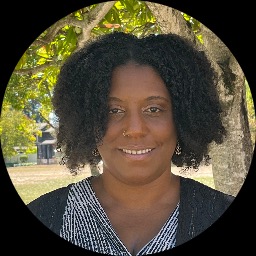
About Rhonda
Rhonda Robertson is a California licensed marriage and family therapist who focuses on helping people manage stress and anxiety. She keeps sessions straightforward and approachable so worried parents can get a sense of how counseling might help. Rhonda acknowledges that starting therapy takes courage and she meets people where they are.
Her work covers a range of common concerns including addictions, relationship strain, trauma and abuse, depression, grief, and parenting stress.
Background and approach
She also addresses issues such as ADHD, attachment and abandonment worries, body image, and caregiver strain. Rhonda listens for the concrete problems people bring and helps them build realistic steps forward. Rhonda blends practical methods that help change unhelpful thinking and behavior with work that focuses on values and acceptance.
She uses Cognitive Behavioral Therapy (CBT) to identify patterns that reinforce worry and anxiety. She also draws on Acceptance and Commitment Therapy (ACT) to help people clarify what matters most and take manageable action toward those values. Sessions aim to feel calm and nonjudgmental.
Rhonda encourages clear goals and small experiments between sessions so progress is trackable. She has four years of professional experience as an LMFT and works with people throughout California. People meet with her expecting direct conversation about problems, concrete skills to try, and a steady, supportive presence while they work through challenges.
Therapeutic approaches and online care
Rhonda regularly uses Cognitive Behavioral Therapy, which helps people notice and change thought and behavior patterns that keep anxiety and depression active. CBT is useful for tackling worry, unhelpful habits, and some addictive behaviors. She also uses Acceptance and Commitment Therapy, which focuses on helping people name their values and take small actions toward them even when uncomfortable thoughts or feelings appear.Choosing the right approach is a collaborative process. The therapist will ask about your goals, preferences, and what has or hasn’t helped before, then suggest methods to try together. This shared planning helps shape sessions so they feel relevant and doable.
Online sessions are available as video calls, phone sessions, live chat, or text-based messaging to make counseling easier to fit into busy lives. Video calls allow face-to-face conversation for skills practice, phone sessions can work when bandwidth or camera use is an issue, live chat suits brief check-ins, and messaging supports ongoing tracking and short reflections between meetings. These options give flexibility in timing and format while keeping focus on practical steps and steady progress.
Questions people ask
What kinds of concerns does she help with?
What is her therapeutic style like?
How much clinical experience does she have?
Which credentials and region apply to this therapist?
Which languages are available for sessions?
Can people outside the United States work with her?
What session formats does she offer?
How does payment and getting started work?
What this therapist works with
Most often
- Stress, Anxiety
- Addictions
- Relationship issues
Also listed
- Abandonment
- ADHD
- Attachment issues
- Body image
- Caregiver issues and stress
- Codependency
- Coping with natural or human-caused disaster
- Depression
- Drug and alcohol addiction
- Eating and food-related issues
- Family of origin issues
- Family problems
- Grief
- Guilt and shame
- Immigration issues
- Multicultural concerns
- Parenting issues
- Post-traumatic stress
- Postpartum depression
- Pregnancy and childbirth
- Prejudice and discrimination
- Self-harm
- Sexual assault and abuse
- Trauma and abuse
- Women's issues
- Young adult issues
Therapeutic approaches
- Experience
- 4 years
- Licensed
- California
- Languages
- English
We will earn a commission if you sign up through our link, at no cost to you.