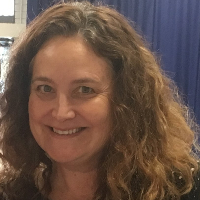
About Rhonda
Rhonda Hunt is a licensed marriage and family therapist in California who helps people handle stress and anxiety. She draws on 20 years of clinical experience to guide people through relationship struggles, grief, depression, addictions, and trauma. Her style is direct and compassionate, aimed at practical change and steady progress.
Rhonda aims to make sessions easy to follow. She listens closely and helps people name what matters most. Together they set goals and try small steps that fit everyday life.
Background and approach
She emphasizes building self-love and better communication skills. Her work includes tools from cognitive behavioral therapy and mindfulness. She also uses client-centered techniques and EMDR when addressing trauma and panic symptoms.
These approaches are applied in ways that match each person’s pace and needs. Rhonda often addresses family of origin issues, codependency, abandonment, and midlife transitions. She helps people work through career stress, financial worries, parenting strain, and compassion fatigue.
She also supports those coping with post-traumatic stress and panic attacks. Sessions focus on concrete skills and emotional processing. People can expect practical coping strategies, clearer boundaries, and steps toward healthier relationships.
The overall aim is regular, sustainable change rather than quick fixes.
How Rhonda’s approaches translate to online therapy
Client-Centered Therapy focuses on listening and following the client’s lead. The therapist offers empathy and reflections to help people clarify their feelings and decide what matters. This approach helps with self-esteem, life purpose questions, and relationship communication.Cognitive Behavioral Therapy, or CBT, looks at unhelpful thoughts and behaviors and replaces them with practical skills. It is useful for anxiety, panic attacks, and mood difficulties because it teaches steps people can use between sessions.
EMDR is a trauma-informed method that helps process painful memories and reduce their emotional intensity. It is often used for post-traumatic stress and intense emotional wounds, and can be adapted for remote sessions when appropriate.
Choosing the right method is a collaborative process. The therapist will talk through goals, preferences, and what has or hasn’t helped in the past. Together they decide which approaches to try and adjust the plan as progress is made.
Online sessions offer flexibility across several formats. Video calls work well for in-depth conversation and guided exercises, while phone sessions are useful when bandwidth is limited or a shorter check-in is needed. Live chat and text messaging let people send notes, ask quick questions, and keep momentum between sessions. These options make it easier to fit therapy into a busy life.
Questions people ask
What kinds of concerns does Rhonda help with?
How would you describe her therapeutic style?
What is her professional background?
What credentials and location are listed for this therapist?
Which languages are sessions offered in?
What session formats are available?
How are sessions paid for and what does cost look like?
How do I begin working with this therapist?
What this therapist works with
Most often
- Stress, Anxiety
- Relationship issues
- Family conflicts
Also listed
- Abandonment
- Addictions
- Anger management
- Career difficulties
- Codependency
- Communication problems
- Compassion fatigue
- Coping with life changes
- Coping with natural or human-caused disaster
- Depression
- Family of origin issues
- Fatherhood issues
- Forgiveness
- Grief
- Guilt and shame
- Intimacy-related issues
- LGBT
- Life purpose
- Midlife crisis
- Money and financial issues
- Mood disorders
- Panic disorder and panic attacks
- Parenting issues
- Post-traumatic stress
- Self esteem
- Self-love
- Social anxiety and phobia
- Trauma and abuse
- Women's issues
Therapeutic approaches
- Experience
- 20 years
- Licensed
- California
- Languages
- English
We will earn a commission if you sign up through our link, at no cost to you.