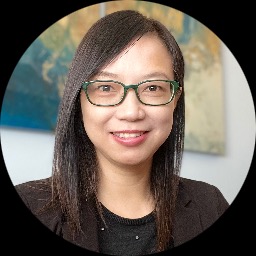
About Po
Po Yee Fung is a licensed therapist who uses practical, person-focused methods to help people facing stress, anxiety, relationship struggles, trauma, low self-esteem, and depression. She works in English, Mandarin, and Cantonese and practices in California as an LMHC and an LPCC. Po Yee brings ten years of clinical experience to sessions and aims to make therapy straightforward and approachable.
Her style centers on listening first and tailoring tools to each person's needs.
Background and approach
Sessions often include skill practice, real-life homework, and check-ins about what is or isn't helping. She emphasizes self-compassion and clearer communication as foundations for change. Po Yee offers culturally aware care and pays attention to how family background, multicultural identity, and faith can shape a person's experience.
She helps people untangle issues like attachment concerns, abandonment fears, or patterns of codependency. The focus is on learning new ways to relate to others and to oneself. She uses a mix of approaches depending on the problem at hand, drawing from acceptance-based strategies, cognitive techniques, and emotion-focused work.
That mix is used to manage symptoms and to build long-term coping skills for relationships and daily life. Therapy with her emphasizes small, usable steps. Clients work on practical communication skills, coping strategies for anxiety, and plans to move toward a clearer sense of purpose.
Progress is reviewed regularly so the work stays relevant and doable.
How therapeutic approaches translate to online care
Acceptance and Commitment Therapy (ACT) focuses on noticing thoughts and feelings without fighting them and committing to actions that match a person's values; it can help with anxiety, stress, and finding life direction. Client-Centered Therapy centers on empathic listening and meeting people where they are, which supports self-compassion and clearer decision making. Cognitive Behavioral Therapy (CBT) looks at patterns of thinking and behavior to reduce distress and build practical coping skills useful for depression and anxiety.Finding the right approach is a collaborative process. The therapist will work with each person to try methods that fit their goals, preferences, and everyday life. Techniques may be adjusted over time based on what is helpful and what the person wants to focus on, such as relationships or managing worry.
Online therapy offers flexible ways to connect. Video calls allow face-to-face conversation and skill practice, phone sessions can be easier when bandwidth is limited, live chat works for quick check-ins, and text messaging supports ongoing reflection between sessions. These options help people fit therapy into work, family, or school schedules and make it easier to use skills when real-life situations come up.
Questions people ask
What concerns does she help with?
What is her approach in sessions?
How long has she been practicing?
Where is she licensed and based?
Which languages are supported in therapy?
What session formats are available?
How are sessions paid for?
How do I begin working with her?
What this therapist works with
Most often
- Stress, Anxiety
- Relationship issues
- Trauma and abuse
Also listed
- Abandonment
- Attachment issues
- Co-morbidity
- Codependency
- Commitment issues
- Communication problems
- Depression
- Domestic violence
- Emptiness
- Family of origin issues
- Forgiveness
- Guilt and shame
- Isolation / loneliness
- Life purpose
- Midlife crisis
- Multicultural concerns
- Obsessions, compulsions, and OCD
- Paranoia
- Phobias
- Self esteem
- Self-love
- Social anxiety and phobia
- Women's issues
- Workplace issues
Therapeutic approaches
- Experience
- 10 years
- Licensed
- California, New York
- Languages
- English, Mandarin, Cantonese
We will earn a commission if you sign up through our link, at no cost to you.