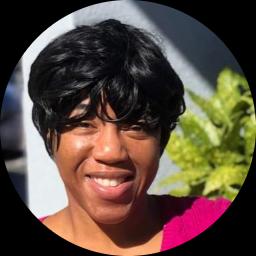
About Oprah
Oprah Ingram is a licensed professional counselor (LPC) based in South Carolina. She focuses on helping people manage anxiety, stress, depression, and self-esteem struggles in clear, practical ways. Oprah works with adults and young adults and keeps sessions straightforward and goal-focused.
Her approach centers on listening first and then building practical steps. She uses Client-Centered Therapy to follow each person’s pace and priorities. She pairs that with Cognitive Behavioral Therapy to spot unhelpful thoughts and change patterns that keep problems alive.
Background and approach
Oprah also draws on mindfulness techniques to help people slow down and notice what’s happening in the moment. Solution-Focused Therapy helps when quick, concrete changes are needed for everyday challenges. These methods are used together to match the person and the problem rather than relying on a single style.
She has five years of experience working with concerns such as ADHD, relationship and communication problems, parenting strain, career stress, and compassion fatigue. Additional areas she addresses include attachment and abandonment issues, body image, codependency, and anger. Sessions aim to teach simple tools you can use between meetings.
Clients often work on communication skills, emotion regulation, realistic thinking, and planning small steps forward. Oprah emphasizes practical progress and steady support rather than quick fixes.
Therapeutic approaches you can use online
Client-Centered Therapy focuses on following the person’s lead and building a trusting, respectful relationship. It helps when someone needs a space to be heard and to clarify their own goals. Cognitive Behavioral Therapy (CBT) targets the link between thoughts, feelings, and actions. It teaches straightforward skills to challenge unhelpful thoughts and change behavior, which can be useful for anxiety, depression, and stress.Finding the right approach is part of the work. Oprah collaborates with each person to decide which methods fit their situation and preferences. That might mean starting with listening and support, adding CBT skills for thought patterns, or practicing mindfulness exercises for emotional regulation. The plan adjusts as progress is made and goals evolve.
Online therapy offers flexible ways to connect. Video calls allow face-to-face conversation and visual cues. Phone sessions work well when bandwidth is limited or when someone prefers not to be on camera. Live chat and text-based messaging provide short check-ins, written reflections, or quick skill practice between longer sessions. These options help people fit therapy into busy days and keep momentum between meetings.
Questions people ask
What kinds of problems does she help with?
What is her therapeutic style like?
How much experience does she have?
What are her credentials and where is she located?
Which languages are supported for sessions?
Can international clients work with her?
What session formats does she offer?
How is cost handled and how do I get started?
What this therapist works with
Most often
Also listed
- Abandonment
- ADHD
- Anger management
- Antisocial personality
- Attachment issues
- Avoidant personality
- Bipolar disorder
- Blended family issues
- Body image
- Career difficulties
- Codependency
- Commitment issues
- Communication problems
- Compassion fatigue
- Control issues
- Coping with life changes
- Divorce and separation
- Domestic violence
- Emptiness
- Family conflicts
- Forgiveness
- Guilt and shame
- Impulsivity
- Infidelity
- Isolation / loneliness
- Jealousy
- LGBT
- Life purpose
- Mood disorders
- Multicultural concerns
- Parenting issues
- Relationship issues
- Self-love
- Sexuality
- Social anxiety and phobia
- Women's issues
- Workplace issues
- Young adult issues
Therapeutic approaches
- Experience
- 5 years
- Licensed
- South Carolina
- Languages
- English
We will earn a commission if you sign up through our link, at no cost to you.