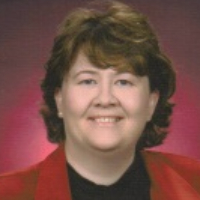
About Marla
Marla Voss is a Licensed Clinical Social Worker and a Licensed Independent Social Worker with 14 years of experience helping adults manage stress, anxiety, depression, grief, and life changes. She works with people facing chronic illness, mood disorders, addiction concerns, and caregiving or end-of-life challenges. Her approach is warm and respectful and focused on the person in front of her.
Marla uses a person-centered style that emphasizes strengths and collaboration.
Background and approach
She helps people set concrete goals and picks tools that fit each person’s needs. Sessions often include practical strategies for symptom relief and ways to cope with daily stressors. Her background includes work in hospitals, community mental health agencies, and independent practice.
That mix gives her experience with medical issues, hospice and end-of-life concerns, and long-term chronic conditions as well as typical mood and anxiety problems. Marla draws on cognitive behavioral ideas to help people change unhelpful thinking and behavior patterns. She also uses attachment-based and emotionally focused techniques to support connection, regulation, and healing after trauma or loss.
Mindfulness skills are offered when people want ways to manage strong feelings in the moment. She practices in Wisconsin and communicates in English. Sessions are offered in several online formats so people can choose what fits their schedule and comfort.
Getting started begins with a short matching questionnaire and scheduling a first session according to therapist availability.
How therapy approaches translate to online care
Attachment-based work focuses on connection and how early relationships shape current reactions; online sessions use conversations and targeted exercises to help people notice and change relational patterns. Cognitive Behavioral Therapy, or CBT, looks at the links between thoughts, feelings, and behaviors and teaches practical skills for managing anxiety, depression, and mood swings. Emotionally-Focused Therapy helps people identify and process strong emotions so they can feel safer and more regulated in relationships and during stressful life events.Choosing the right approach is part of the therapy process. The therapist will talk with each person about goals, preferences, and which methods feel most helpful. That decision is collaborative and can evolve as work progresses.
Online formats include video calls, phone sessions, live chat, and text-based messaging. Video sessions let people use visual cues and longer talk therapy. Phone sessions can be lower bandwidth and easier to fit during a work break. Live chat and text messaging support brief check-ins, skill practice, or when someone prefers written communication. These options make it easier to schedule sessions around medical appointments, caregiving duties, or busy lives.
Questions people ask
What concerns does she commonly address?
What is her general therapy style?
What experience does she bring to sessions?
Where is she licensed and based?
Which languages are supported in sessions?
What session formats are offered?
How is cost handled for sessions?
How do I begin working with her?
What this therapist works with
Most often
Also listed
- Addictions
- Aging and geriatric issues
- Anger management
- Attachment issues
- Bipolar disorder
- Cancer
- Career difficulties
- Chronic pain, illness, and disability
- Co-morbidity
- Codependency
- Communication problems
- Compassion fatigue
- Coping with life changes
- Depression
- Family problems
- Forgiveness
- Guilt and shame
- Hospice and end-of-life counseling
- Isolation / loneliness
- Life purpose
- Money and financial issues
- Mood disorders
- Obsessions, compulsions, and OCD
- Panic disorder and panic attacks
- Relationship issues
- Social anxiety and phobia
- Trauma and abuse
- Women's issues
Therapeutic approaches
- Experience
- 14 years
- Licensed
- Iowa, Wisconsin
- Languages
- English
We will earn a commission if you sign up through our link, at no cost to you.