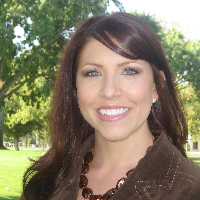
About Marissa
Marissa Shennan is a licensed marriage and family therapist who helps people manage stress and anxiety. She offers straightforward, compassionate care for concerns like depression, trauma, relationship strain, grief, and problems with self-esteem. Marissa aims to make therapy practical and focused on real-life change.
She approaches sessions as a collaborative process. Marissa listens first, then works with each person to set clear goals and steps to reach them. She draws on different methods so the plan fits the individual instead of forcing a single technique.
Background and approach
Marissa uses therapies that emphasize connection and present-moment skills. She blends attachment-focused work with cognitive-behavioral tools and emotion-focused interventions. For people with trauma-related symptoms she includes EMDR as one of several options to address distressing memories.
Her practice has included online work for the last several years, and she offers video calls, phone sessions, live chat, and text-based messaging. Marissa’s approach is practical - she helps people build coping strategies, adjust patterns that hold them back, and practice new ways of relating. Clients can expect clear communication about goals and simple homework when it helps.
With three years working as an LMFT, Marissa balances a direct style with empathy to help people make steady progress toward their priorities.
How therapeutic approaches translate to online care
Attachment-Based Therapy focuses on how early connection patterns shape current relationships. Online work for this approach often involves identifying fears about closeness and practicing new ways of relating in daily life. Cognitive Behavioral Therapy, or CBT, helps people identify unhelpful thoughts and try different behaviors. In remote sessions a therapist and client can set clear homework, track reactions, and practice skills between meetings. Emotionally-Focused Therapy concentrates on identifying and shifting strong emotions in relationships; via video or phone a therapist helps name feelings and test new, healthier responses.Finding the right method is part of the process. The therapist will collaborate with each person to choose approaches that match their goals and preferences. That means trying things, checking what helps, and adjusting the plan together over time.
Online sessions offer flexibility for a busy life. Video calls let people work face-to-face without travel. Phone sessions can be shorter check-ins or an option when bandwidth is limited. Live chat and text-based messaging make it easier to keep momentum between sessions and to check in on skills and progress throughout the week.
Questions people ask
What concerns does this therapist address?
What is the therapeutic style like?
What experience does the therapist have?
Where is the therapist located and what credentials are held?
Are sessions offered in other languages or to international clients?
What formats are available for appointments?
How does pricing work for therapy sessions?
How do I begin working with this therapist?
What this therapist works with
Most often
- Stress, Anxiety
- Relationship issues
- Trauma and abuse
Also listed
- Abandonment
- Addictions
- Anger management
- Attachment issues
- Co-morbidity
- Codependency
- Communication problems
- Control issues
- Coping with life changes
- Depression
- Disruptive Mood Dysregulation Disorder (DMDD)
- Domestic violence
- Family of origin issues
- Family problems
- Forgiveness
- Grief
- Guilt and shame
- Impulsivity
- Intimacy-related issues
- Isolation / loneliness
- Life purpose
- Mood disorders
- Panic disorder and panic attacks
- Parenting issues
- Post-traumatic stress
- Self esteem
- Sexual assault and abuse
- Somatization
- Veteran and Armed Forces Issues
- Women's issues
Therapeutic approaches
- Experience
- 3 years
- Licensed
- California, Idaho
- Languages
- English
We will earn a commission if you sign up through our link, at no cost to you.