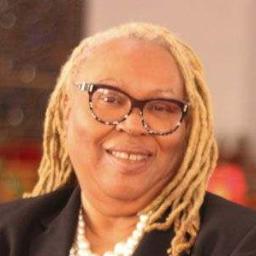
About Marguerite
Dr. Marguerite Allen helps people who are overwhelmed by anxiety, stress, or big life changes. She keeps sessions straightforward and practical.
Her style suits someone who wants clear steps and a calm, steady guide. She has 25 years of clinical experience and holds the Licensed Clinical Mental Health Counselor credential, LCMHC. Dr.
Allen draws on a mix of approaches to match each person's needs rather than using a single method for everyone.
Background and approach
Sessions focus on skills you can use between meetings and on small, achievable goals. In therapy she works with concerns such as anxiety, panic attacks, mood disorders, depression, grief, and trauma. She also supports people dealing with addictions, anger, control issues, and the strain of parenting or relationship problems.
Additional areas she addresses include codependency, dissociation, and multicultural concerns. Her approach blends client-centered work with practical strategies from cognitive behavioral therapy and tools from dialectical behavior therapy when needed. Motivational interviewing and solution-focused techniques are used to help clients clarify goals and stay motivated.
Conversations are paced to match each person's readiness for change. Dr. Allen practices from North Carolina and conducts sessions in English.
She aims to help people build coping skills, reduce symptoms that get in the way of daily life, and move toward clearer choices and stronger emotional balance.
How therapeutic approaches translate to online care
Client-Centered Therapy focuses on the person's perspective and priorities. The therapist listens deeply and helps people set their own goals, which can work well in conversation over video or phone. Cognitive Behavioral Therapy, or CBT, identifies unhelpful thinking and teaches clear skills to change behavior and mood; it often uses short exercises and homework that fit a digital format.Choosing the right approach is part of the early work. The therapist discusses goals and preferences and then recommends methods that match those needs. That keeps treatment collaborative and lets the plan change if something isn't helping.
Online sessions are offered via video calls, phone, live chat, or text-based messaging to make therapy fit daily life. Video lets people use visual cues and longer talk sessions. Phone sessions can be easier when bandwidth is limited or when someone prefers not to be on camera. Live chat and text messaging support brief check-ins, skill coaching between sessions, and ongoing contact without scheduling a full appointment.
These options aim to make it easier to maintain momentum and practice new skills between meetings while working with a licensed professional to address anxiety, stress, and related concerns.
Questions people ask
What kinds of concerns does she address?
How would you describe her therapeutic style?
What is her background and experience?
Where is she licensed and located?
Which languages are supported for sessions?
Can people from other countries work with her?
What session formats are available?
How do I get started with therapy?
What this therapist works with
Most often
Also listed
- Addictions
- Anger management
- Bipolar disorder
- Career difficulties
- Codependency
- Control issues
- Coping with life changes
- Depression
- Disruptive Mood Dysregulation Disorder (DMDD)
- Dissociation
- Divorce and separation
- Domestic violence
- Drug and alcohol addiction
- Family conflicts
- Forgiveness
- Guilt and shame
- Impulsivity
- Isolation / loneliness
- Life purpose
- Mood disorders
- Multicultural concerns
- Panic disorder and panic attacks
- Parenting issues
- Post-traumatic stress
- Prejudice and discrimination
- Relationship issues
- Self esteem
- Self-love
- Social anxiety and phobia
- Women's issues
- Young adult issues
Therapeutic approaches
- Experience
- 25 years
- Licensed
- North Carolina
- Languages
- English
We will earn a commission if you sign up through our link, at no cost to you.