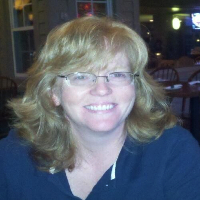
About Margot
Margot Myers is a licensed clinical social worker who helps people manage stress, anxiety, trauma, and life changes. She brings 29 years of experience and a straightforward, compassionate approach. Margot speaks English and practices from Pennsylvania.
Her sessions focus on practical steps people can use right away. She listens first, then works with each person to set clear goals. Margot often uses client-centered methods alongside cognitive behavioral ideas and mindfulness to help reduce anxious thoughts and build coping skills.
Background and approach
She has long experience with trauma and mood challenges, and with concerns that come from caregiving, blended families, and parenting. Margot also supports people facing grief, relationship strain, career shifts, ADHD, and compassion fatigue. She describes herself as LGBTQI+ affirming.
Margot trained at Virginia Commonwealth University and holds a master's degree in social work. Her practice history includes community, school, outpatient, home-based, and university settings, which shaped a practical, down-to-earth style. In session she invites collaboration and honesty.
Therapy is framed as a shared effort toward your goals, with work both in and between meetings. She uses a mix of approaches, tailoring methods to what each person needs to make changes. To begin, Margot asks people to take part in a short matching process and then schedule sessions.
Pricing varies by location and uses a subscription that can be canceled at any time.
Therapeutic approaches and online options
Client-centered therapy focuses on listening and building a trusting relationship, helping people clarify their goals and feel heard. Cognitive behavioral therapy (CBT) looks at the link between thoughts, feelings, and actions and teaches practical skills to change unhelpful patterns. Eye movement desensitization and reprocessing (EMDR) is used with trauma to help process difficult memories in a structured way and reduce their emotional intensity.Choosing the right approach is a shared process. The therapist will talk through what you want to change, what has helped or not helped before, and together you will try strategies that match your needs and preferences. Sessions may combine methods and evolve over time as goals change.
Online sessions give flexibility for different rhythms of life. Video calls let you have a full conversation with visual cues. Phone sessions can fit a short check-in when bandwidth or being on camera is a challenge. Live chat and text messaging are useful for brief updates, tools, or between-session support. These options make it easier to fit regular work on anxiety, trauma, and life transitions into a busy schedule.
Questions people ask
What concerns does Margot help with?
How would you describe her therapy style?
What is her background and experience?
What credentials and region are listed for this therapist?
Which languages are supported and can international clients join?
What session formats are offered?
How does billing and cost work?
How do I begin working with this therapist?
What this therapist works with
Most often
- Stress, Anxiety
- Trauma and abuse
- Career difficulties
Also listed
- ADHD
- Blended family issues
- Caregiver issues and stress
- Chronic pain, illness, and disability
- Coaching
- Communication problems
- Compassion fatigue
- Coping with life changes
- Coping with natural or human-caused disaster
- Depression
- Divorce and separation
- Family conflicts
- Family of origin issues
- Family problems
- First responder issues
- Forgiveness
- Grief
- LGBT
- Life purpose
- Midlife crisis
- Mood disorders
- Parenting issues
- Post-traumatic stress
- Relationship issues
- Self esteem
- Social anxiety and phobia
- Women's issues
- Young adult issues
Therapeutic approaches
- Experience
- 29 years
- Licensed
- Pennsylvania, South Carolina
- Languages
- English
We will earn a commission if you sign up through our link, at no cost to you.