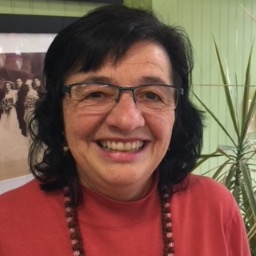
About Margaret
Prof. Margaret Anzalone practices in Maine and brings a client-centered approach to therapy. She focuses on helping people manage stress and anxiety, and she also supports concerns like grief, relationship strain, addiction, and self-esteem.
Her style is down-to-earth and practical, aimed at making small changes that add up over time. With more than 31 years of experience, she combines talking therapy with structured techniques. She uses Cognitive Behavioral Therapy to help people spot unhelpful thoughts and try new behaviors.
Background and approach
She also draws on mindfulness and solution-focused methods to build coping skills and set concrete goals. Sessions often begin by clarifying what a person wants to change. Margaret then works with them to pick a few manageable steps.
She mixes reflection with hands-on practices people can use between sessions, like breathing, thought records, or short action plans. She has worked with a wide range of issues including trauma and abuse, panic attacks, depression, bipolar concerns, and eating or sleeping difficulties. She also supports people facing life transitions, career questions, caregiving stress, and questions about gender or sexual identity.
Margaret holds MA LICSW and ME LCSW credentials and brings decades of practice experience to each appointment. Sessions are offered in English and she is available to international clients as well. Her goal is to help people find clearer footing and workable tools for daily life.
Approaches that translate well to online therapy
Client-Centered Therapy focuses on listening and understanding a person's perspective. It helps people feel heard and guides conversations toward what matters most to them. Cognitive Behavioral Therapy, or CBT, breaks problems into thoughts, feelings, and actions so people can try small changes and track results. That approach is useful for anxiety, panic, and mood concerns.Finding the right approach is a collaborative process. The therapist will work with the person to identify goals, try methods that match those goals, and adjust plans as needed. Choices about techniques and session pace are made together so work fits the person's life and preferences.
Online options include video calls, phone sessions, live chat, and text-based messaging. Video is good for longer sessions with visual cues. Phone calls can work when bandwidth is limited or for shorter check-ins. Live chat and messaging let people send brief updates, try written exercises, or have flexible check-ins between appointments. These options make it easier to fit therapy into work, school, caregiving, or travel schedules while keeping continuity of care.
Questions people ask
What concerns does she help with?
What is her therapy style like?
How long has she practiced?
What credentials and location are listed?
Are sessions offered in other languages?
Which session formats are available?
How does payment and cost work?
How do I begin working with her?
What this therapist works with
Most often
- Stress, Anxiety
- LGBT
- Relationship issues
Also listed
- Addictions
- ADHD
- Anger management
- Bipolar disorder
- Career difficulties
- Caregiver issues and stress
- Coaching
- Codependency
- Communication problems
- Compassion fatigue
- Coping with life changes
- Depression
- Drug and alcohol addiction
- Eating disorders
- Family conflicts
- Family problems
- Forgiveness
- Gender dysphoria
- Grief
- Intimacy-related issues
- Life purpose
- Midlife crisis
- Panic disorder and panic attacks
- Parenting issues
- Post-traumatic stress
- Self esteem
- Self-love
- Sleeping disorders
- Social anxiety and phobia
- Trauma and abuse
- Women's issues
- Young adult issues
Therapeutic approaches
- Experience
- 31 years
- Licensed
- Maine, Massachusetts
- Languages
- English
We will earn a commission if you sign up through our link, at no cost to you.